Two critical security flaws in PHP, the programming language behind roughly 69 percent of websites whose server technology is known (W3Techs), put a large part of the web on alert on October 21, 2026. The flaws are tracked as CVE-2026-109618 and CVE-2026-109619 and researchers have nicknamed them PHP2Shell. The PHP security team rates both at 9.2 out of 10 on the CVSS v4.0 severity scale, and the European Union's cybersecurity team CERT-EU says that score points to a risk of remote code execution without any login. In plain terms, an attacker could run their own code on a vulnerable web server.
This article is for people who care about where their personal data ends up: professionals who log in to client portals and online services every day, small business owners whose website or shop may run on PHP, and anyone who saw familiar sites go dark and wondered whether their own accounts are at risk. You cannot patch a server you do not own, but you can decide how much damage a breach somewhere else can do to you.
Below you will find what PHP2Shell is, why some organizations chose to take their sites offline, what is confirmed and what is not, and a short list of steps that actually reduce your exposure.
What is PHP2Shell?
PHP2Shell is the nickname for two vulnerabilities in the PHP interpreter itself, the software that runs on a web server and turns PHP code into the pages you see. That detail matters. The flaws are not in one plugin or one app, but in the layer underneath WordPress, Drupal, Joomla, Magento, Laravel and countless custom sites. According to the security firm Patchstack, any application on top of a vulnerable PHP version is exposed, regardless of how well the application itself is maintained.
The PHP security team announced the problem on October 20, 2026 and scheduled an emergency security release for October 21 at 14:00 UTC (10:00 a.m. Eastern). It also said it reserved the right to release earlier if details became public or attacks appeared. Both happened faster than planned: details leaked before the coordinated disclosure, and according to Patchstack the security firm watchTowr was able to reproduce one of the flaws.
What is confirmed and what is not
A lot of what circulated on the day came from leaks and social media, so it helps to separate the two.
| Claim | Status on October 21, 2026 |
|---|---|
| Two critical vulnerabilities, each rated 9.2 (CVSS v4.0) | Confirmed by the PHP security team |
| Emergency release scheduled for 14:00 UTC on October 21 | Confirmed by the PHP security team |
| Risk of remote code execution without authentication | Assessment by CERT-EU based on the severity score |
| Attack possible with a single crafted web request | Stated by the Dutch National Cyber Security Centre (NCSC) |
| Every PHP version since PHP 5 is affected | Stated by the Dutch NCSC; PHP publishes the exact versions with the release |
| Active attacks in the wild | Disputed: Cloudflare and Patchstack report early attacks, the Dutch NCSC had not yet seen active abuse |
One point is certain regardless of the details. The PHP project only supports versions 8.2 and newer, so servers still running PHP 8.1 or older will not receive an official fix. Those sites depend on their hosting provider for a workaround or an upgrade.
Why websites went offline
Taking a site offline sounds dramatic, but it follows directly from official advice. The UK's National Cyber Security Centre told organizations to prepare to update immediately and, if that was not possible, to consider taking affected systems offline until they were fixed. CERT-EU advised isolating internet-facing PHP applications that could not be patched in time. The Dutch NCSC said that any PHP system reachable from the public internet should be presumed vulnerable until updated.
The result was visible across Europe. In the Netherlands, the national government login service DigiD and the citizen portal MijnOverheid went offline as a precaution, along with the website of the Dutch parliament, the news site RTL and the tech site Tweakers. The Dutch NCSC took its own website down as well. Cloudflare said it saw the first attack attempts at 07:43 UTC, early in the European morning, and rolled out firewall rules for all customers, including the free plan. Cloudflare itself described those rules as a stopgap, not a fix.
For you as a user, an offline site is the good outcome. It means the organization chose to stop serving pages rather than risk handing your data to an attacker.
What PHP2Shell means for your personal data
PHP runs on web servers, not on your iPhone or laptop. There is nothing to download and no app to update on your own devices because of PHP2Shell. The risk sits with the websites and services you have accounts with: if one of them is compromised before it is patched, an attacker could reach whatever that server stores, such as names, email addresses, order histories or password hashes.
That is why the useful question is not "am I infected?" but "how much would a breach at one site cost me?" Three things decide that:
- Whether you reuse passwords. A leaked password from one small site becomes a key to every account where you used the same one.
- How your accounts are protected beyond the password. Two-factor authentication with an authenticator app stops most attackers who only have your password.
- How much you handed over in the first place. A guest checkout or a minimal profile leaves less to steal than a full account with your address, birthday and saved cards.
Breaches also tend to surface later than the vulnerability that caused them. Every US state has a data breach notification law, so if a service you use was affected, a notice may arrive in the weeks after the patch rather than on the day itself.
Five steps you can take today
None of these steps require technical knowledge, and together they take less than half an hour.
- Ignore anything that asks you to "update PHP". Big security news is reliably followed by phishing. Emails or texts urging you to click a link, install a fix or verify your account because of the PHP flaw are scams. PHP is not something you install as a consumer.
- Change reused passwords first. Start with your email account, because a password reset for almost everything else lands there. A password manager makes unique passwords practical.
- Move two-factor authentication off text messages where you can. An authenticator app or a passkey is stronger than a code by SMS, which is exposed to SIM swap attacks.
- Watch your inbox and statements for the next few weeks. Look for breach notices, unexpected password reset emails and small unfamiliar card charges.
- If you run a website, ask your host one question today. "Which PHP version does my site run on, and when is the patch applied?" On managed hosting this is usually handled for you, but sites on PHP 8.1 or older need an upgrade.
For context: the Spy-Fy store runs on Shopify, which is not built on PHP, so your Spy-Fy account and orders are not exposed to PHP2Shell.
Where physical privacy fits in
PHP2Shell is a reminder of something that is easy to forget. Once your data sits on someone else's server, its safety depends on how fast they patch. You have no say in that. What you do control is what your own devices capture in the first place.
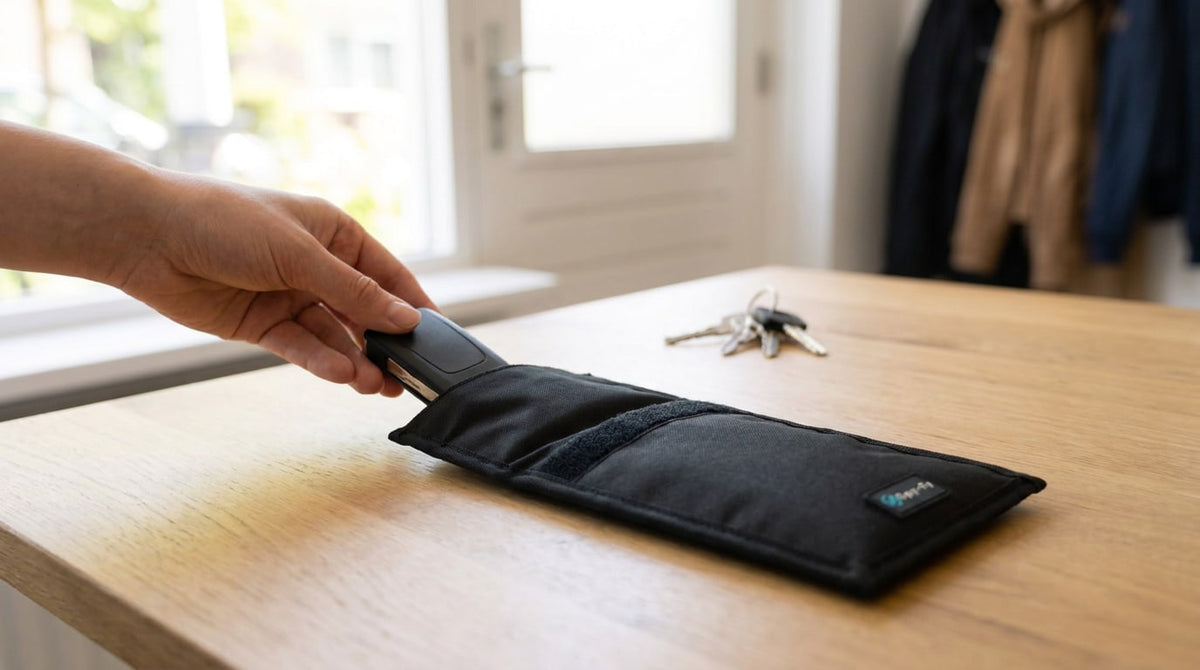
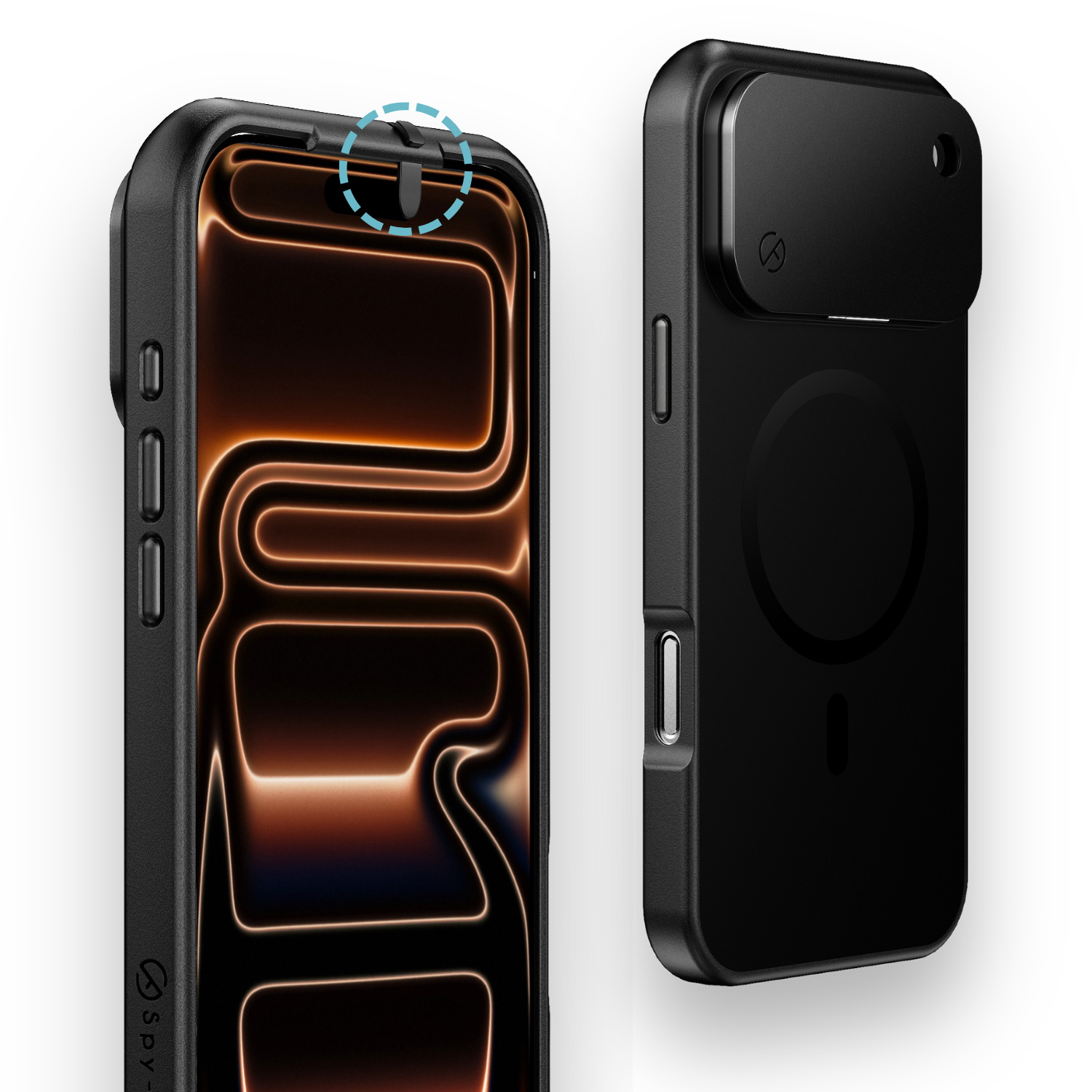
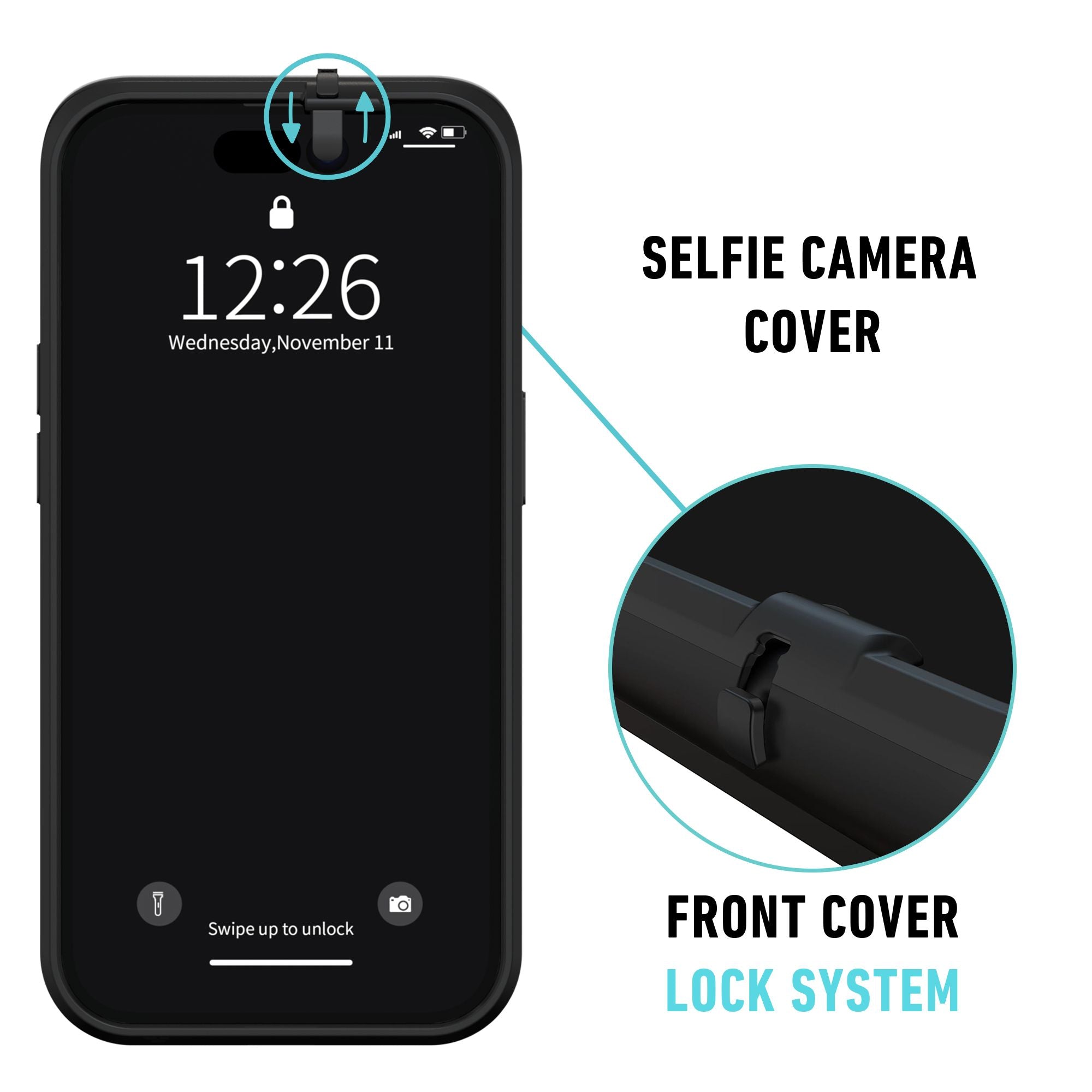
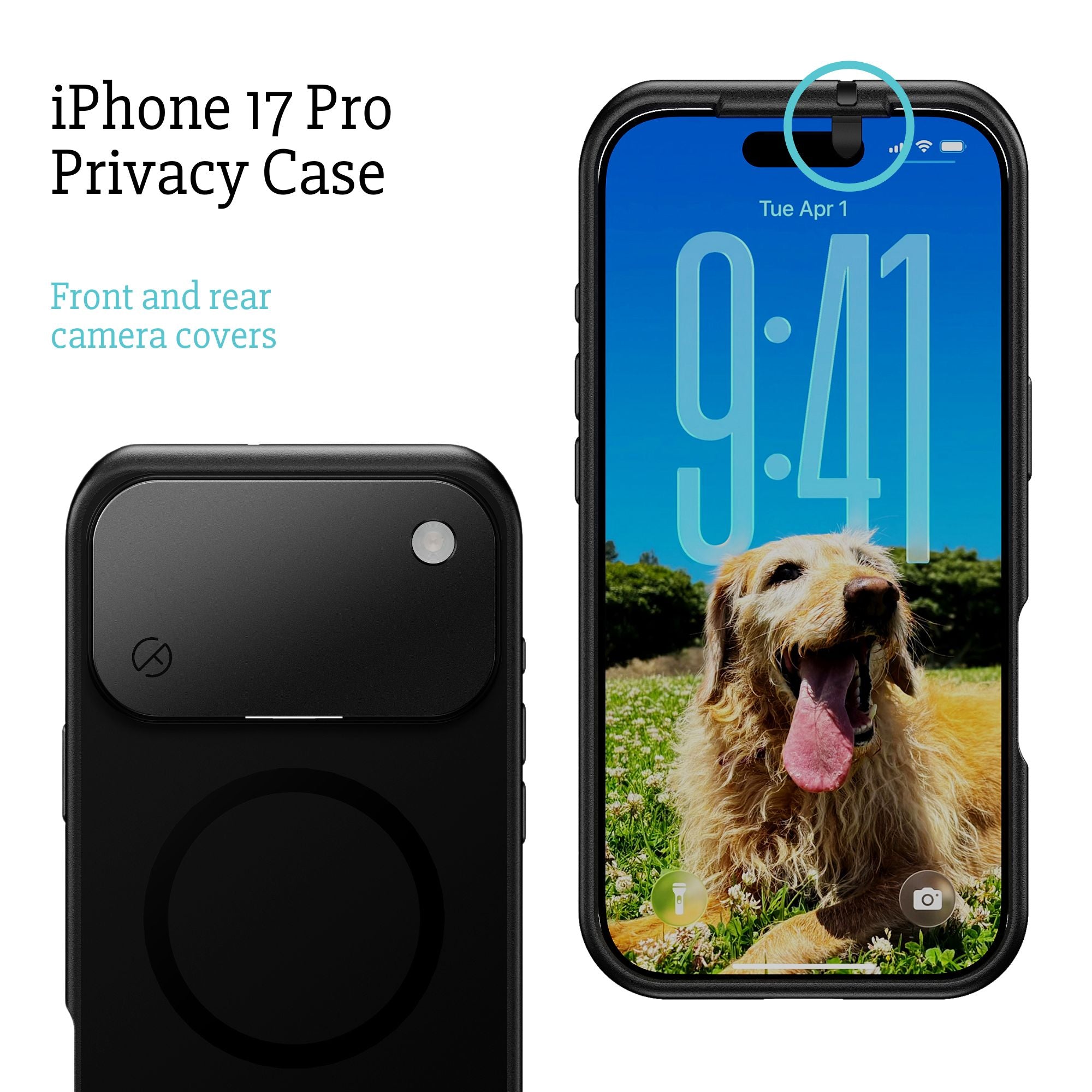
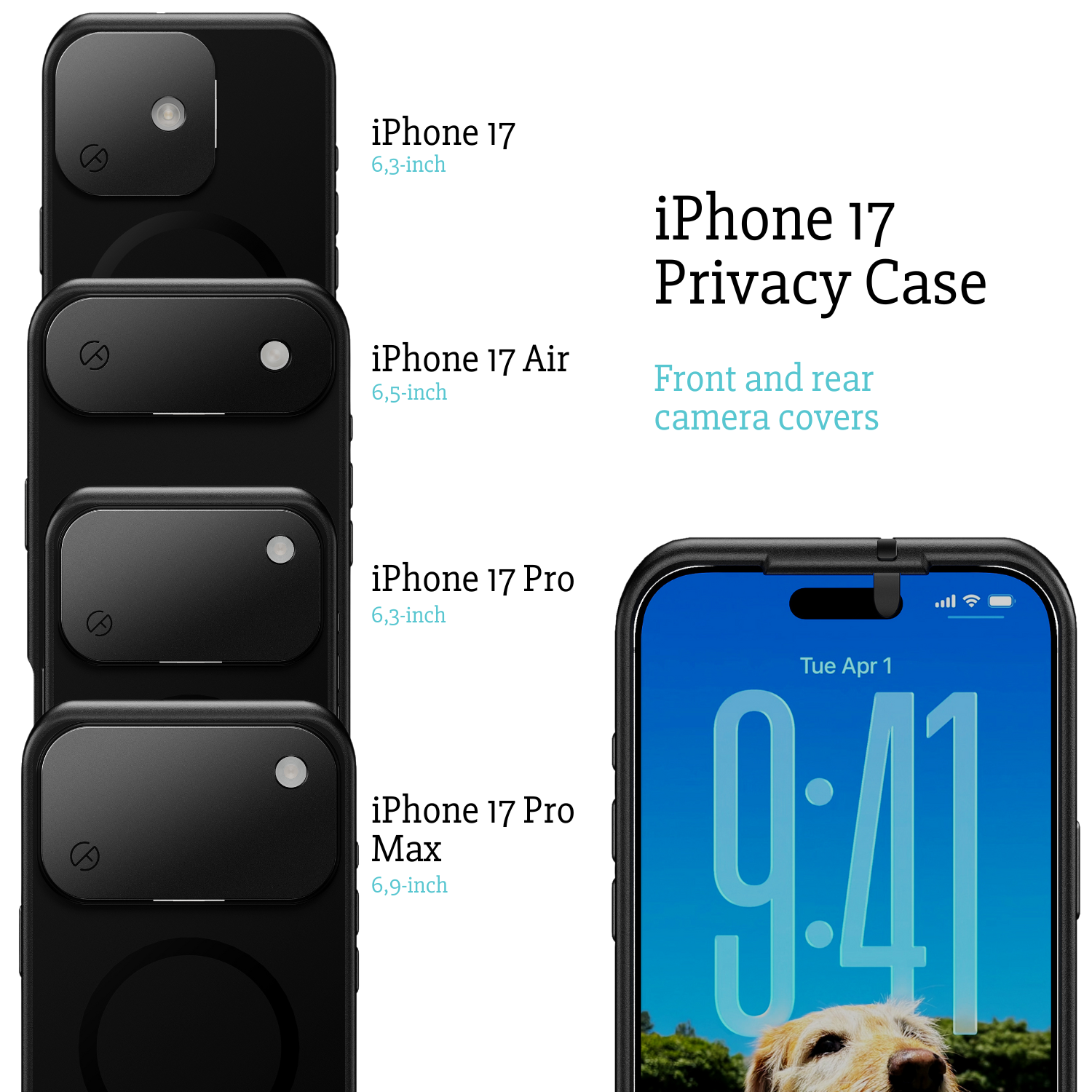
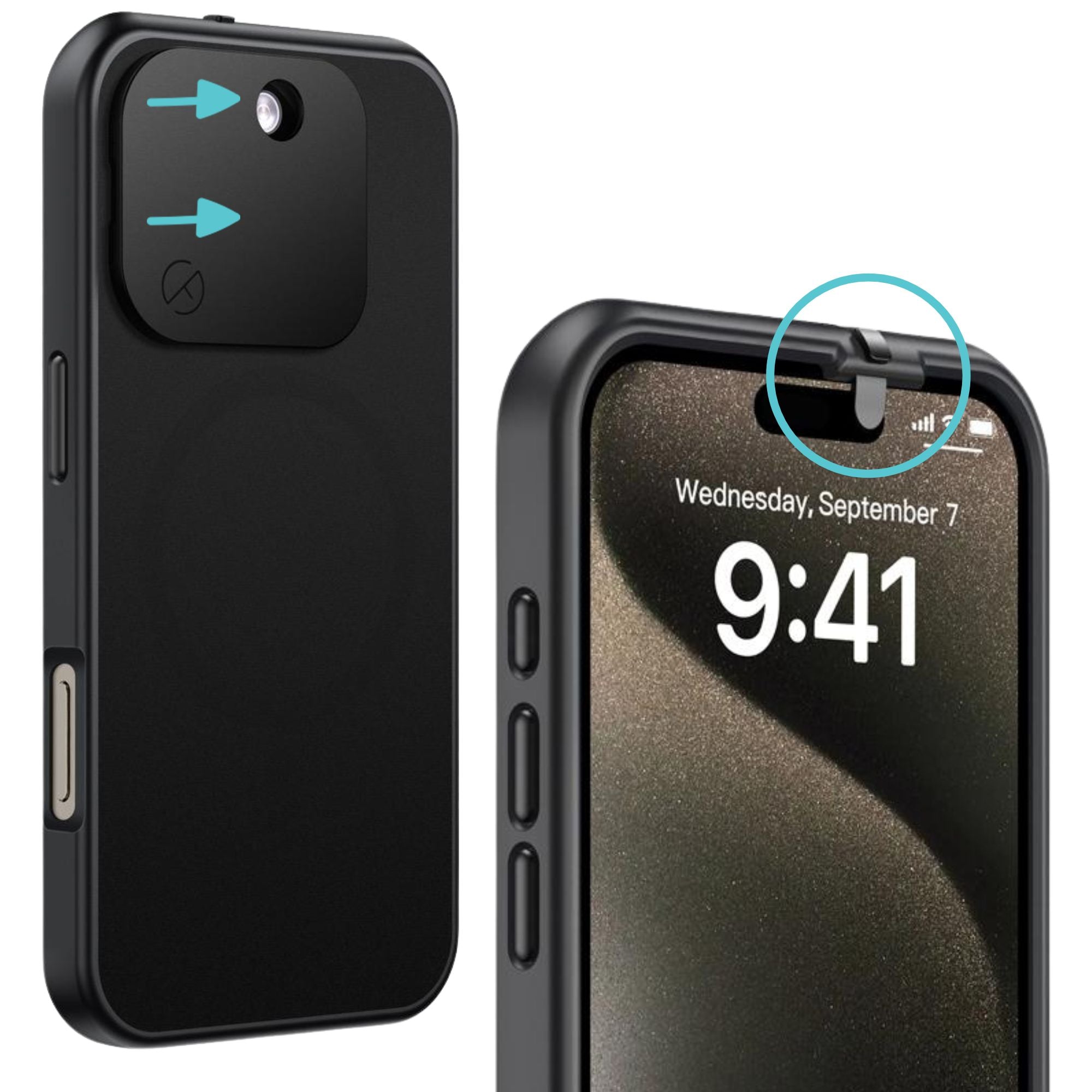
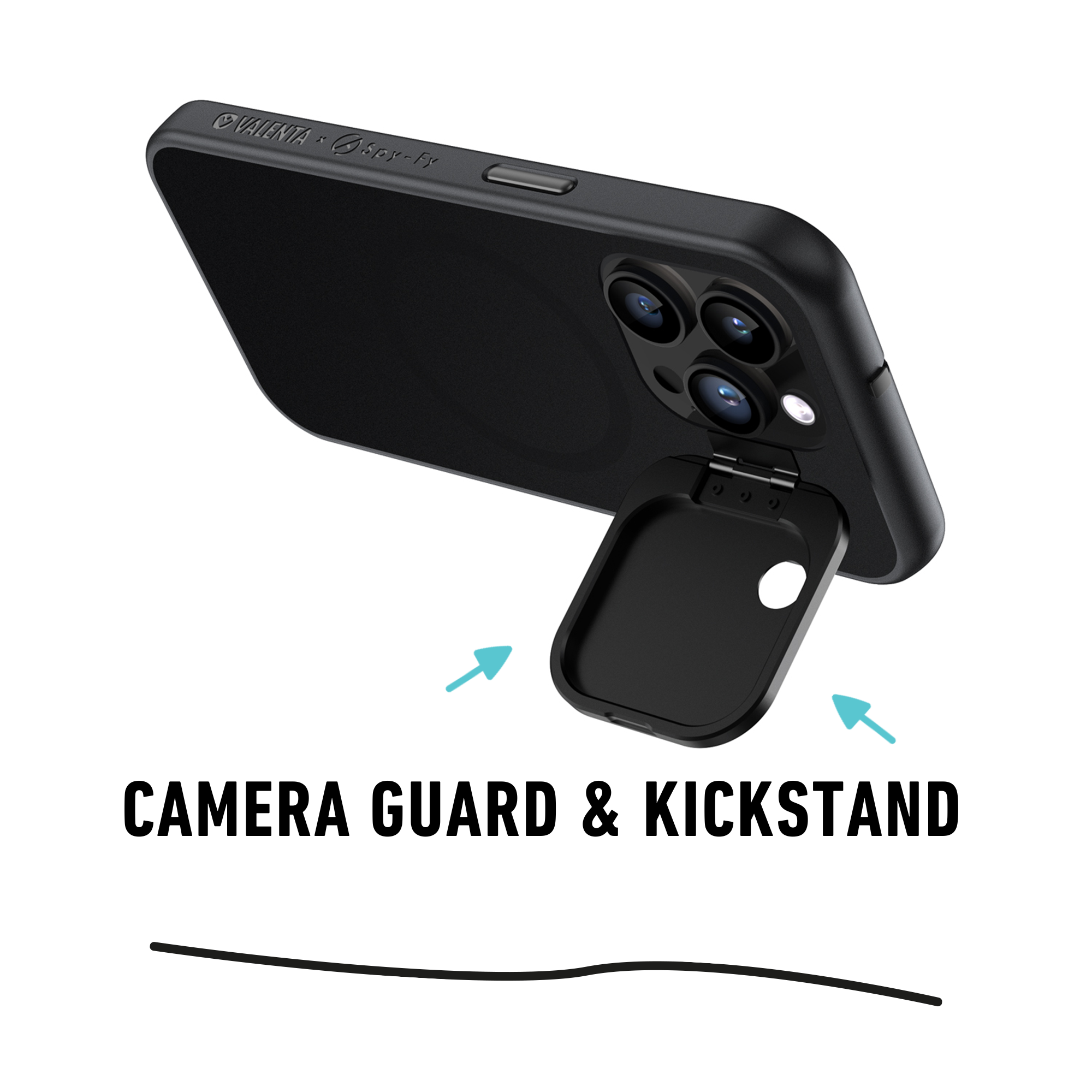
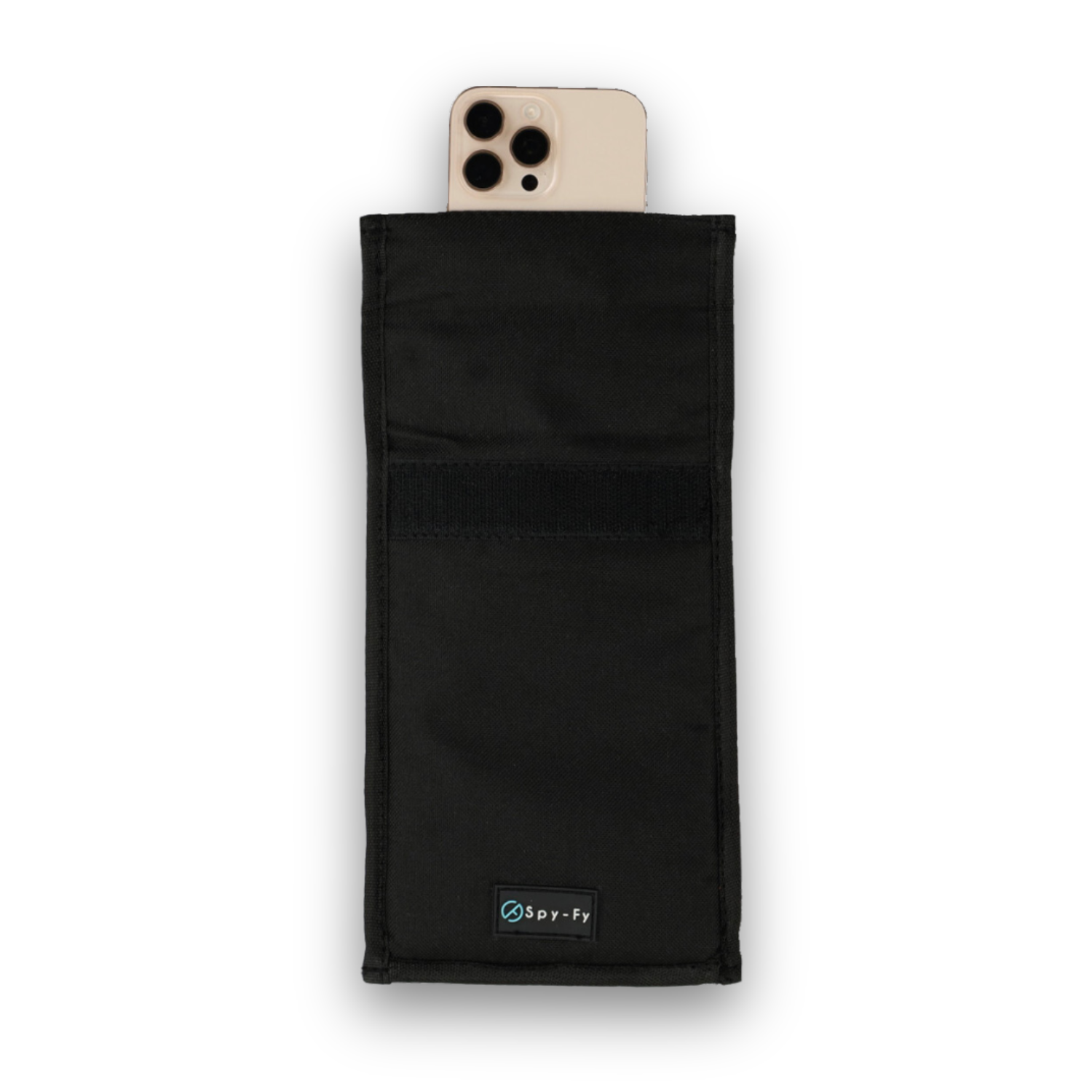
A server flaw cannot be fixed with a phone case, and we will not pretend otherwise. But the same logic applies at the other end of the chain: the less your devices record, the less there is to leak, whether through a breached service, a compromised app or software that watches through your phone. A camera that is physically covered records nothing, no matter which server or app fails next. That is the idea behind Spy-Fy's privacy cases with built-in camera covers.
The short version
PHP2Shell is a pair of critical flaws in the language that runs about two thirds of the web, rated 9.2 out of 10, with an emergency fix scheduled for October 21, 2026 at 14:00 UTC. Many organizations took their sites offline as a precaution, which is the responsible choice. You do not need to install anything, but you should use unique passwords, move your second factor to an app, ignore any message about "updating PHP" and keep an eye out for breach notices in the coming weeks. Protect what you can control, starting with what your own camera can see, using Spy-Fy's iPhone privacy cases with sliding camera covers.