Most organizations today invest heavily in cyber security business strategies. Networks are protected, devices are encrypted, and access rights are carefully managed. From a technical perspective, many businesses feel confident that their digital environment is secure. Yet privacy incidents still occur, often without any system being hacked or breached.
Why cybersecurity does not automatically protect privacy
Cybersecurity and privacy are often treated as interchangeable concepts, but they serve different purposes. Cybersecurity focuses on protecting systems and networks from digital threats, while privacy is about control. Control over what information is seen, heard, or shared, even when technology is working exactly as intended. A device can be secure from a cybersecurity standpoint and still expose sensitive information.
Everyday technology and privacy concerns at work
In everyday business situations, privacy risks emerge quietly. A laptop may meet all security requirements while its webcam remains uncovered during a confidential meeting. Smartphones often stay on the table while sensitive topics are discussed. Employees charge devices through USB ports in offices, hotels, or client locations without realizing that these connections can do more than supply power. None of these actions violate cybersecurity rules, yet they create real privacy concerns.
When privacy becomes a physical issue
Modern devices are designed to listen, observe, and connect continuously. Cameras, microphones, wireless signals, and USB interfaces operate largely outside traditional security tools. Even with strong data security managements in place, physical exposure through devices remains difficult to control. This is where many organizations develop a blind spot, because privacy is still approached mainly as a software or compliance issue.
The limits of policies and privacy frameworks
Most businesses have a business privacy policy and align with established standards or regulations. Frameworks such as the privacy shield framework help structure responsibility and accountability around data protection. However, these frameworks often remain abstract. They rarely translate into clear guidance for how employees should handle devices during meetings, travel, or informal work situations. As a result, there is often a gap between policy and daily behavior.
From awareness to practical privacy protection
Awareness is an important first step, but it is rarely enough. Habits form quickly, and convenience often takes priority during busy workdays. This is why more organizations are starting to treat privacy as a layered concept. Cybersecurity remains the foundation, but it is increasingly supported by practical measures that help reduce physical exposure at device level and make privacy part of everyday routines.
How organizations translate privacy policy into daily practice
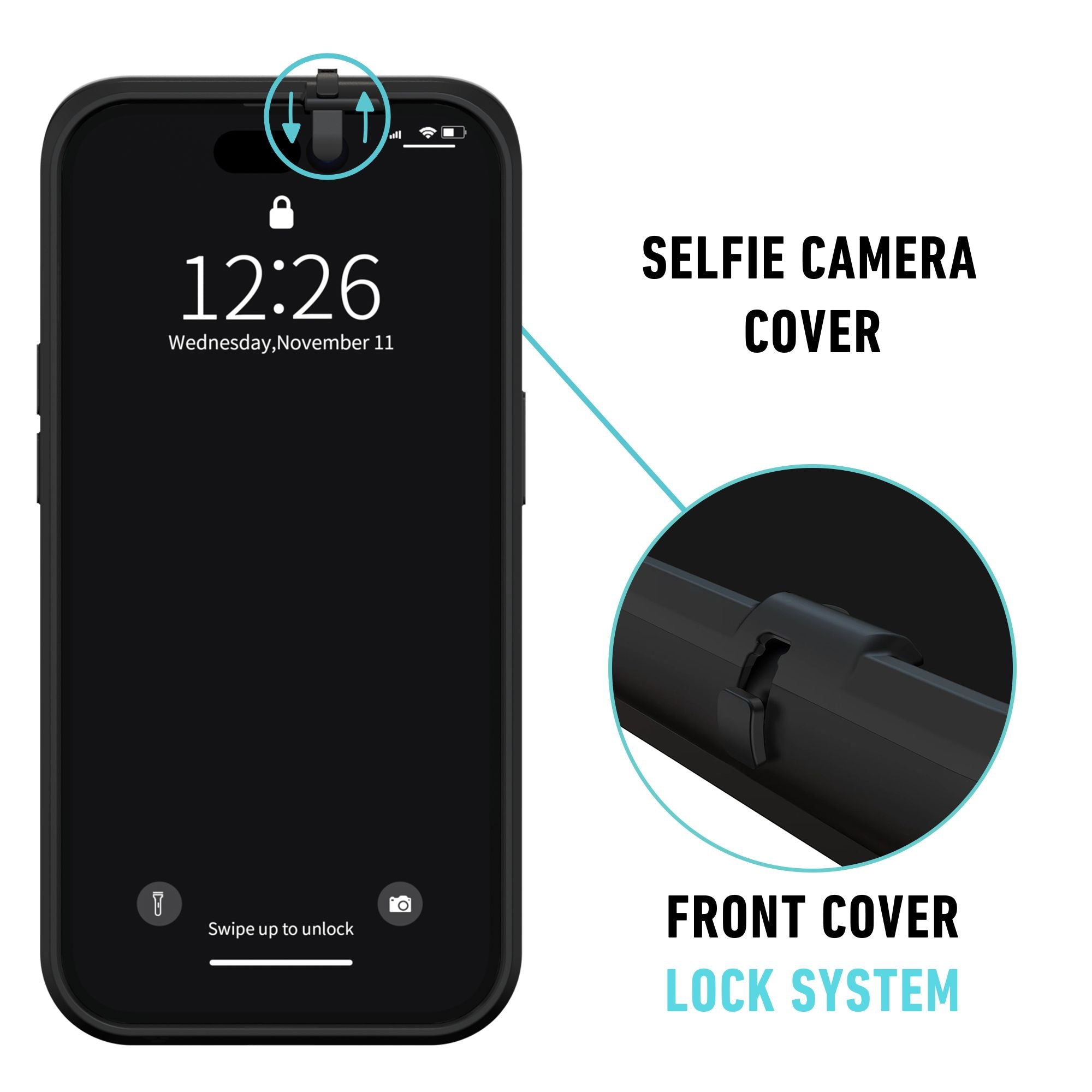
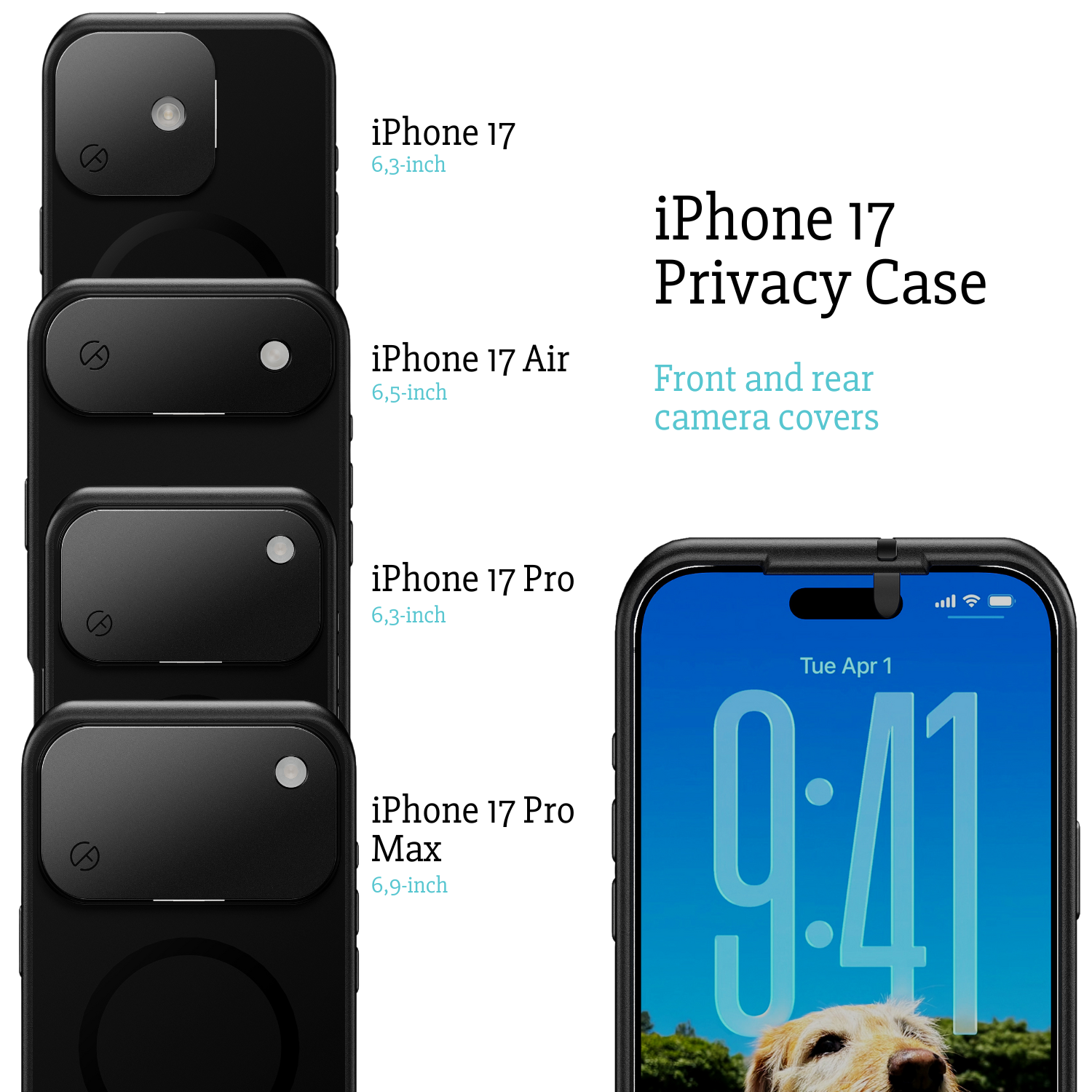
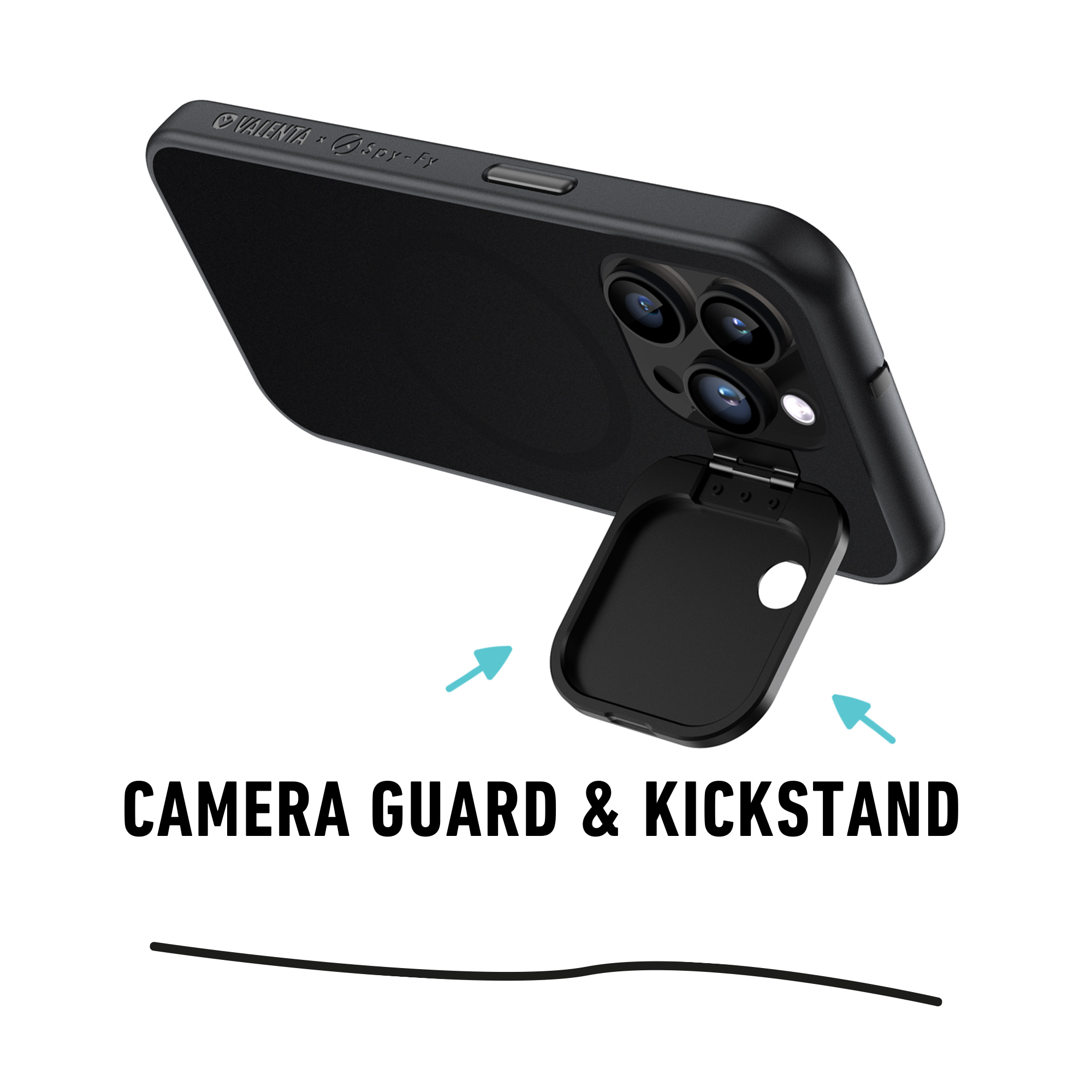
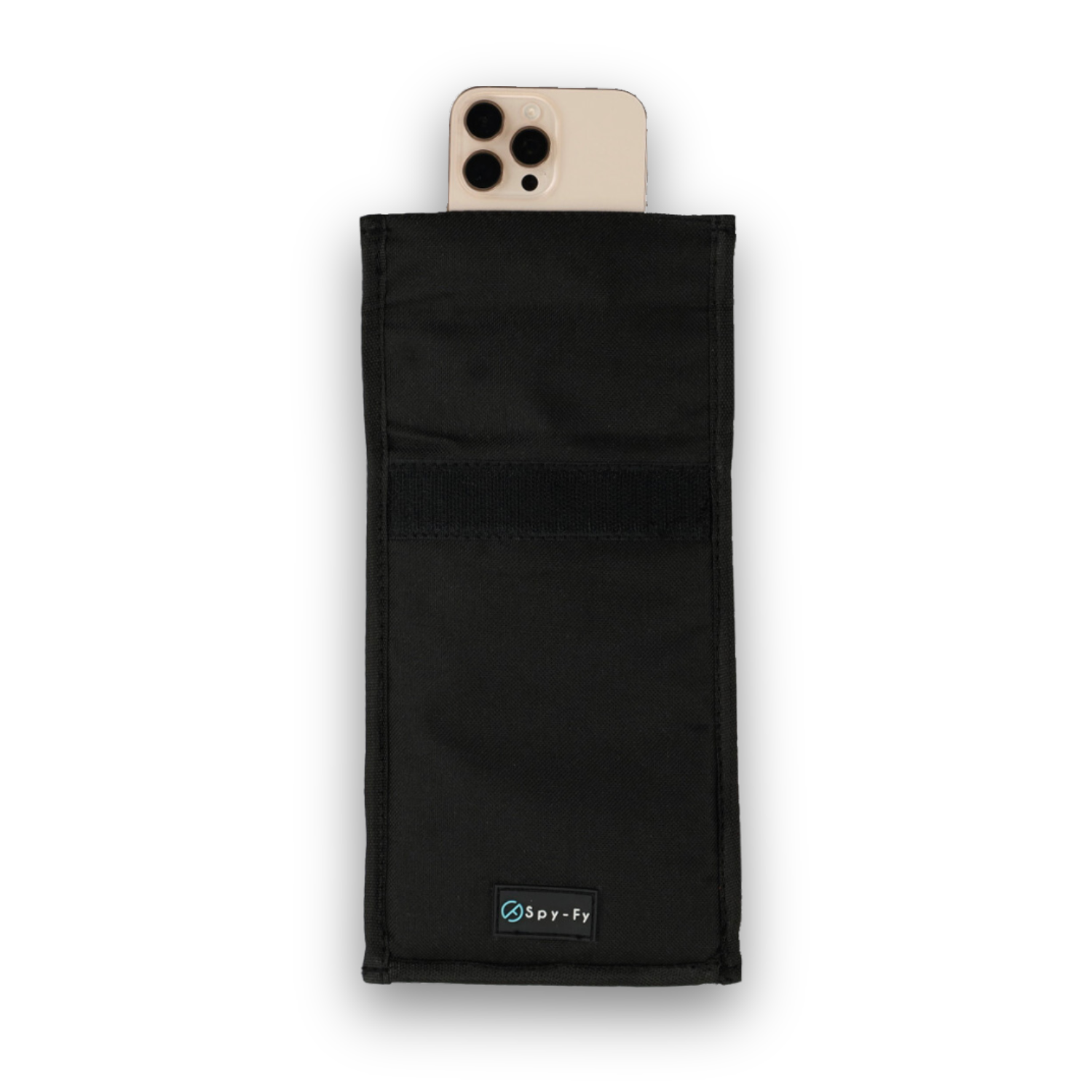
To bridge the gap between policy and practice, many organizations look for simple, physical privacy measures that support existing security strategies. Solutions such as Faraday bags to limit wireless signals, USB data blockers to prevent unwanted data transfer, and webcam covers to control visual exposure help reduce privacy risks in everyday situations. These tools do not replace cybersecurity measures, but complement them by addressing risks that software alone cannot solve.
Spy-Fy develops high-quality, analog privacy solutions designed to support this layered approach. For businesses, these products can also be personalized with company branding, making privacy protection visible within the organization and toward clients and partners.
Privacy as part of modern business culture
Privacy protection today goes beyond compliance. It is about professionalism, responsibility, and trust. When privacy is visible in daily behavior, it becomes part of business culture rather than just a policy requirement. This visibility helps build trust with employees, clients, and partners, and shows that privacy concerns are taken seriously in practice.
Conclusion: privacy goes beyond cybersecurity
Cybersecurity will always be essential, but it does not equal privacy. As technology continues to evolve, privacy risks become more embedded in everyday work. Businesses that recognize this early are better prepared to protect sensitive information and maintain trust. True privacy protection requires attention not only to systems and frameworks, but also to how technology is used every day. Privacy does not stop at the firewall.