Introduction: when advertising starts to feel personal
You talk about a product with a friend. A few hours later, an ad for that exact product appears on your phone. For many people, this moment feels uncomfortable. It raises a simple question: why is there ads that seem to know what you are thinking?
This article explains why personal adverts feel so accurate, how advertising systems actually work, and where concerns about advertising privacy come from. The goal is not to alarm, but to explain what is really happening.
The real purpose of modern advertising
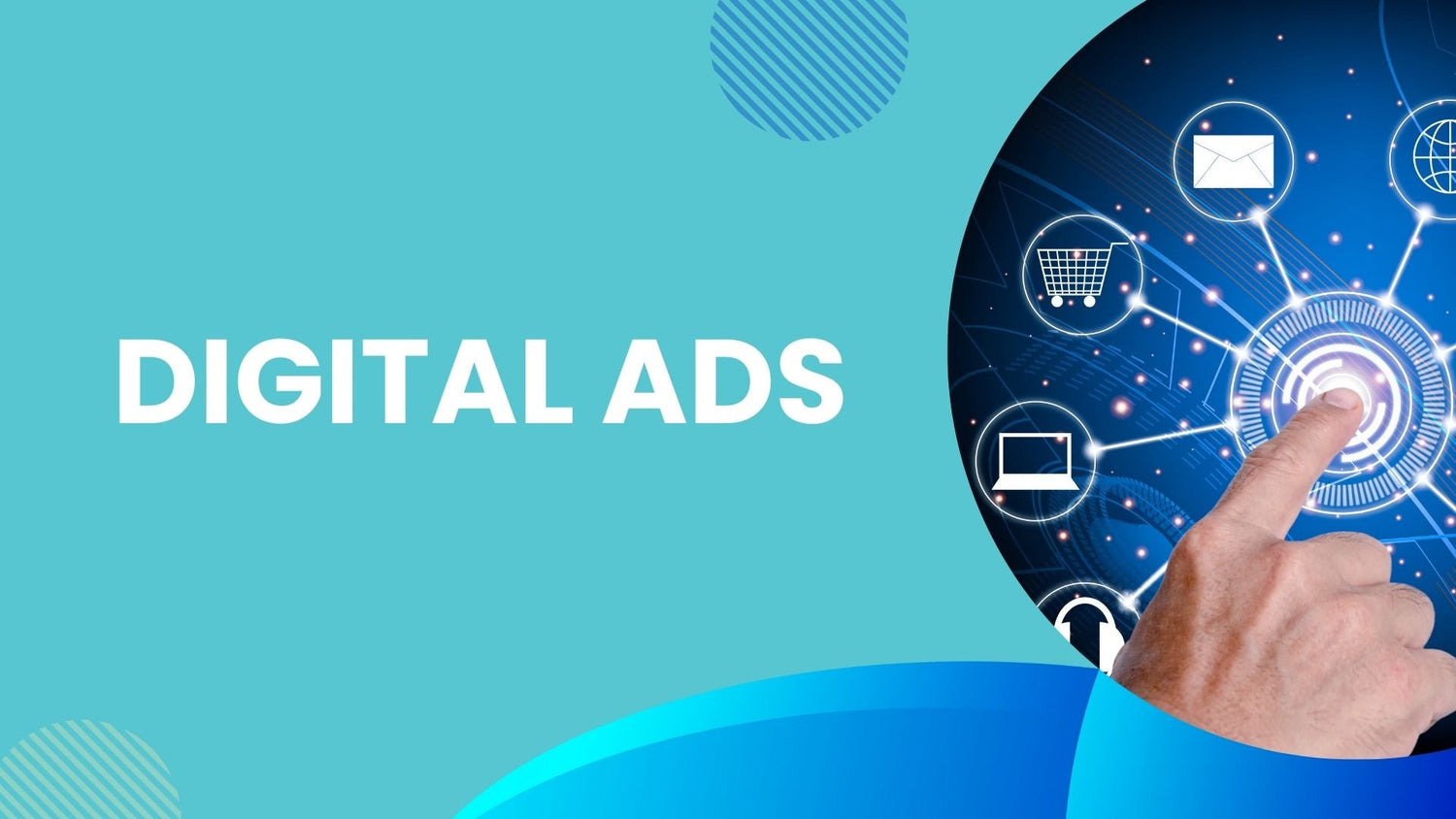
Modern advertising is built around relevance. Instead of showing the same message to everyone, platforms try to predict who might be interested in a product and when. This makes advertising more efficient for companies and, in theory, more useful for users.
Because of this shift, ads are no longer random. They are based on patterns, probabilities, and behavior. That is why advertising today feels far more personal than it did a decade ago.
Why personal adverts feel so accurate
A common belief is that phones or apps are actively listening to conversations. While this idea is widespread, there is no solid evidence that major advertising platforms rely on constant audio monitoring. From a technical, legal, and practical standpoint, this would be inefficient and risky.
Instead, advertising systems rely on behavioral data and prediction models. They analyze signals such as browsing history, search behavior, location patterns, device usage, and interaction with previous ads. Academic research on social media advertising shows that these signals are often enough to predict interests with surprising accuracy.
What feels like listening is usually prediction. The system does not hear what you say, but it recognizes behavior patterns that often lead to certain interests or purchases.
Prediction works better than listening
Prediction allows advertisers to act before a user makes a conscious decision. If many people with similar habits start researching a product, the system assumes others in that group may soon be interested as well.
This explains why ads sometimes appear before you actively search for something. It also explains why people in the same household or workplace often see similar ads. Shared locations, networks, and routines create overlapping data profiles. The result feels personal, even when no direct personal information is used.
When advertising starts to feel uncomfortable
Advertising becomes uncomfortable when users lose the sense of control or understanding. Research into perceived creepiness in advertising shows that discomfort increases when targeting feels unexpected or unexplained.
This often happens when ads follow users across multiple platforms, appear shortly after a real-world experience, or relate to sensitive topics. At that point, the issue is not advertising itself, but transparency.
Advertising privacy concerns usually arise when people do not know why they are seeing a certain ad.
Is advertising a privacy problem?
Advertising is not automatically a privacy violation. Most systems operate within legal frameworks and do not rely on direct personal identifiers. The real issue lies in complexity and lack of visibility.
Many users are unaware of how much data is used to build advertising profiles or how long that data remains active. This gap between perception and reality leads to discomfort and mistrust, even when no rules are being broken.
Advertising privacy is therefore largely about awareness and informed choice.
Why ads seem to follow you everywhere
Many people search for ways to understand how to get rid of ads that keep reappearing. The reason ads follow users across apps and websites is cross-platform tracking.
Advertising systems connect signals from websites, apps, devices, and shared networks. A single interaction can trigger repeated exposure for days or weeks. This repetition is intentional, designed to improve brand recall and conversion rates.
It is effective, but it can feel intrusive when users are not aware of how the system works.
What you can realistically control
Completely avoiding ads is not realistic. However, you can influence how personal they become. Reviewing ad and privacy settings on major platforms helps reduce personalization. Limiting app permissions and using privacy-focused browsers can also reduce unnecessary data sharing.
These steps do not eliminate advertising, but they do limit how detailed your advertising profile becomes.
Where physical privacy still matters
Digital settings address online behavior, but privacy risks also exist offline. In hotels, offices, shared spaces, or while traveling, exposure is not limited to ads and algorithms.
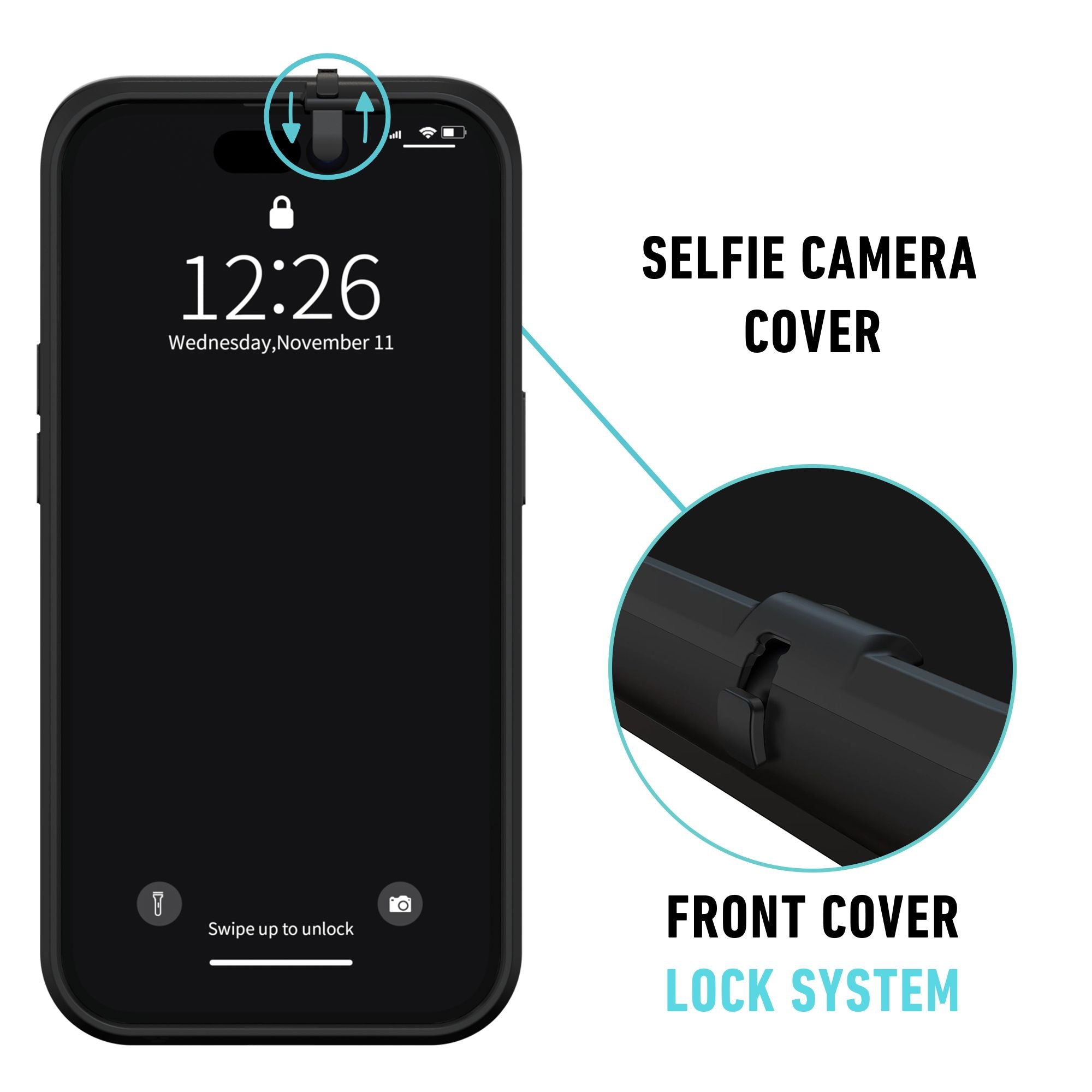
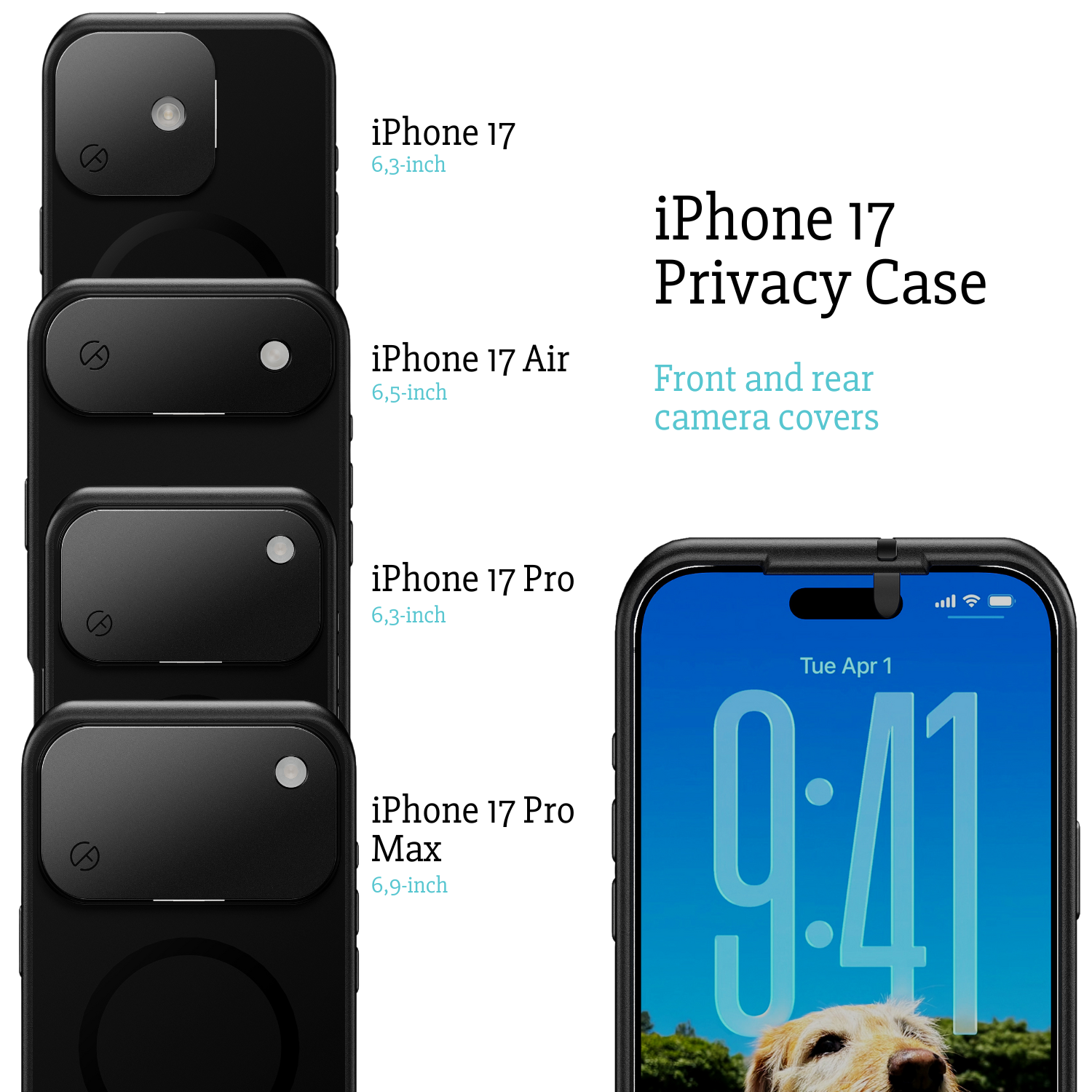
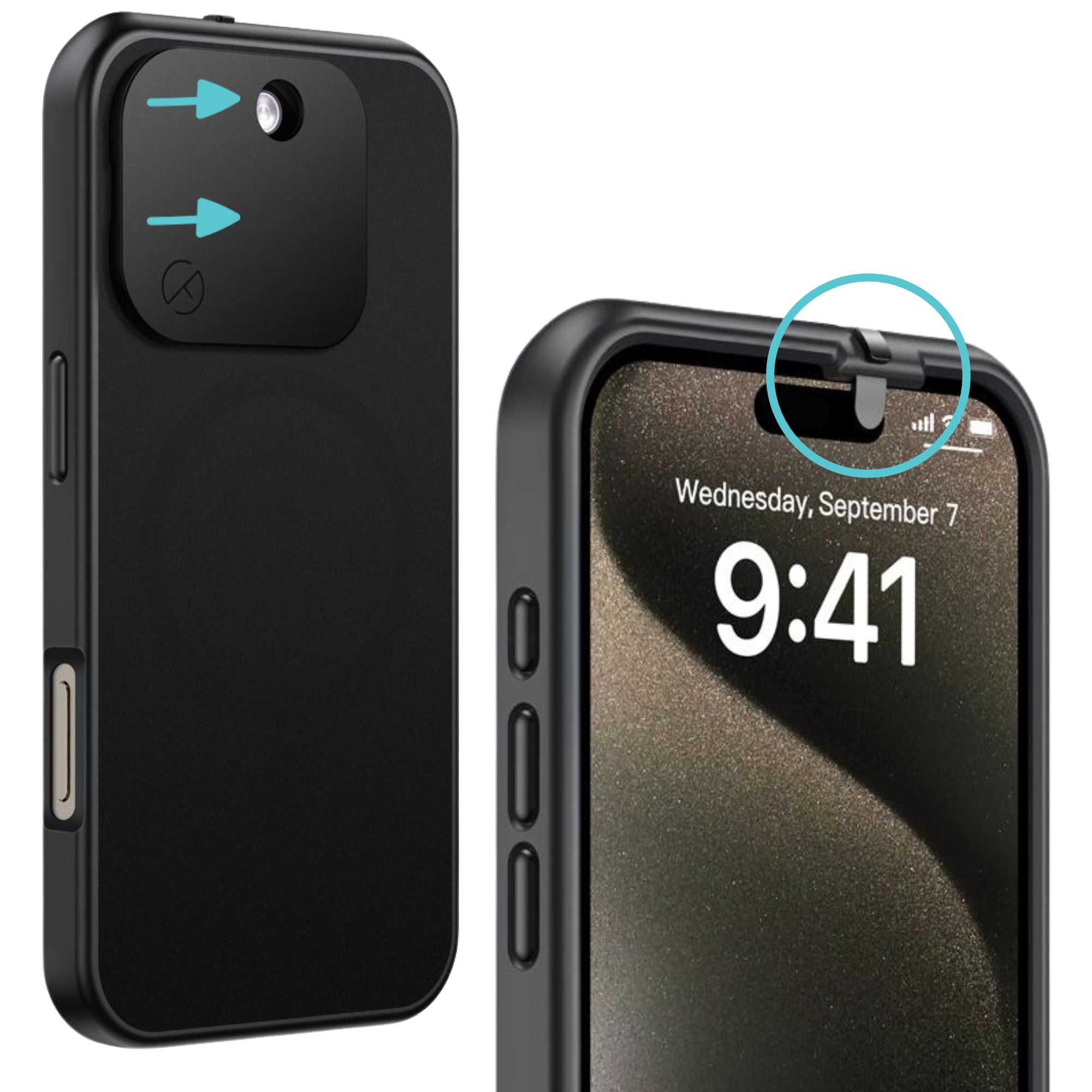
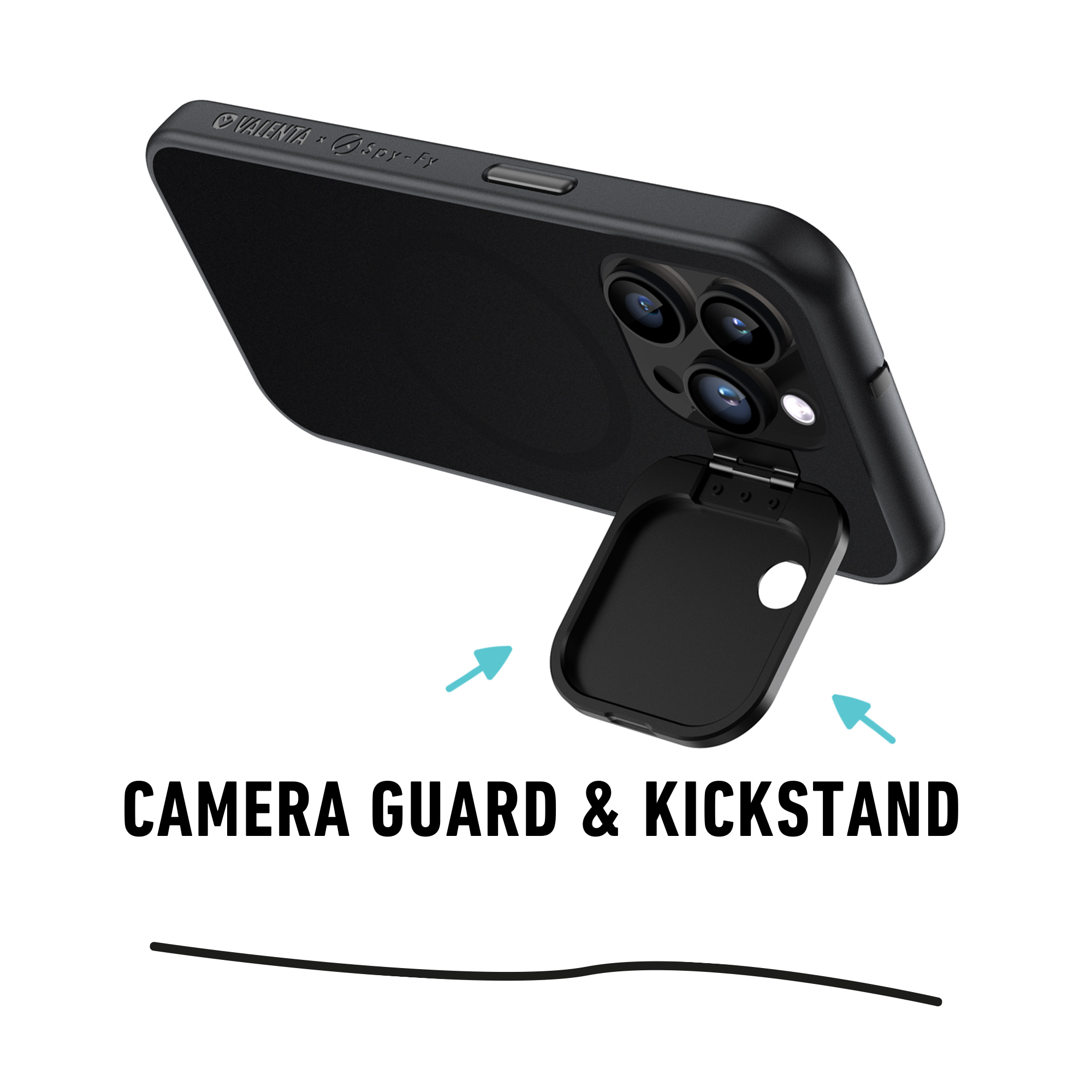
In these situations, physical privacy measures play a complementary role. Camera covers, passport covers, and compact privacy kits help reduce unnecessary exposure without promising unrealistic digital protection. They offer awareness and control in environments where digital settings no longer apply.
Privacy as a conscious choice
For individuals, privacy choices are about comfort and boundaries. For organizations, they also communicate values. More companies are using visible privacy measures as part of their internal culture or as a statement toward clients and partners.
Privacy does not need to be extreme or complicated. Small, thoughtful choices already make a difference.
Final thoughts
Personal adverts feel invasive because they are highly optimized, not because your phone is listening. Understanding how advertising systems work removes much of the mystery and fear.
Advertising privacy is not about avoiding technology, but about using it consciously. Awareness, realistic expectations, and practical choices help you stay in control.