Smart TVs have become standard in homes. They stream movies, suggest content, connect to apps, and sometimes respond to voice commands. Most of the time, this feels convenient. Occasionally, it feels personal. Maybe a recommendation seems unusually accurate. Maybe ads align closely with what you recently watched. At that point, many people start wondering: is my smart TV watching me?
The answer is more nuanced than a simple yes or no. Understanding how smart TVs work removes much of the mystery.
How smart TVs collect data
Smart TVs are connected devices. Like smartphones or tablets, they rely on software and internet connectivity to function. That connection allows them to personalize your experience.
One common system is Automatic Content Recognition (ACR). This technology identifies what is playing on your screen and uses that information to improve recommendations and advertising.
In practice, a smart TV may collect:
- Viewing history
- Search activity within apps
- Voice commands (if enabled)
- Device identifiers and IP address
- General interaction data
This information helps platforms suggest relevant content and show targeted ads. It is not the same as someone actively watching you. It is automated pattern analysis based on behavior and probability.
What people mean by “tv spyware”
The term tv spyware often appears online, but it is usually used loosely. In most cases, it does not refer to hidden criminal software spying through your screen.
Instead, the discomfort comes from unexpected data tracking. When users realize their viewing habits contribute to advertising profiles, it can feel invasive, even if the process is automated and disclosed in privacy policies.
The issue is typically transparency, not secret surveillance.
Can a smart TV be hacked?
Any device connected to the internet can technically be hacked. A smart TV is no exception. However, the risk usually depends on how the device and network are managed.
Vulnerability increases when:
- Software updates are ignored
- Weak Wi-Fi passwords are used
- Unverified apps are installed
- Default settings remain unchanged
Most security concerns are preventable with basic digital hygiene. Keeping your TV updated and securing your home network significantly reduces risk.
Do smart TVs have cameras?
Some models include built-in cameras for features like video calls or motion control. These cameras are typically visible and documented in product specifications. Many newer models no longer include integrated cameras, though microphones for voice assistants are common.
Concerns about hidden video surveillance usually stem from the idea of invisible cameras embedded in the screen. In mainstream consumer devices, this is highly unlikely. The more realistic concern is remote access due to weak security settings.
Checking your model’s specifications and reviewing permissions provides clarity.
Why personalization can feel intrusive
Smart TVs rely on prediction models. If many users who watch one type of content later watch another, the system identifies that pattern. Over time, recommendations become highly accurate.
What feels like listening is often statistical matching. Shared Wi-Fi networks, browsing behavior on other devices, and household profiles can all contribute to overlapping data signals.
Understanding this reduces the sense that your TV is actively monitoring private moments.
What you can realistically control
You do not need to disconnect your television to improve privacy. Small adjustments can make a meaningful difference.
Most smart TVs allow you to:
- Disable Automatic Content Recognition
- Limit ad personalization
- Turn off voice assistants
- Review and manage app permissions
Beyond software settings, consider the broader digital environment. Laptops and work devices often share the same network and physical space.
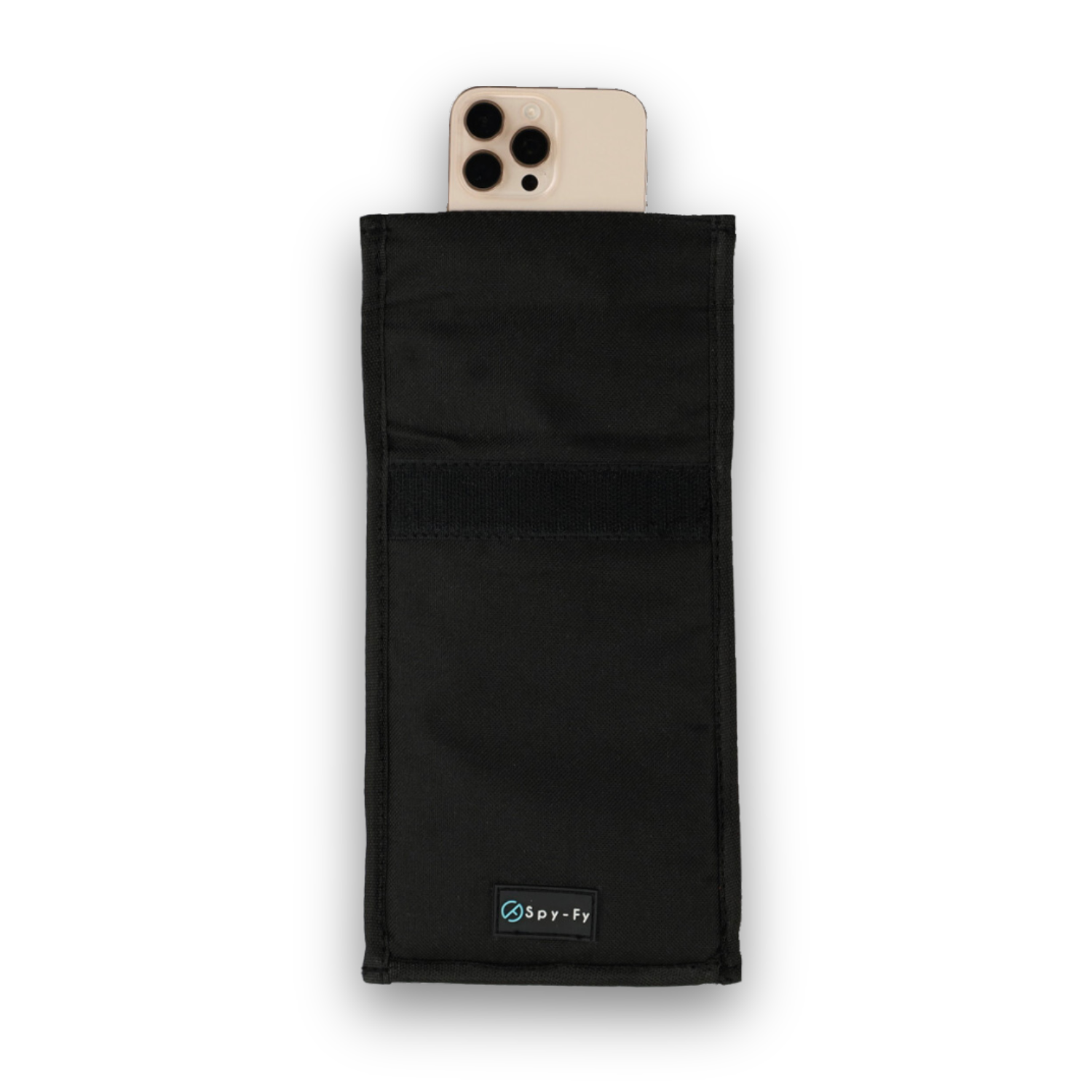
For situations where complete signal isolation is important, physical solutions such as a laptop Faraday bag can prevent wireless communication temporarily. You can explore how that works here.
Privacy is about awareness, not fear
Smart TVs are not secret surveillance machines. They are connected devices operating within data-driven ecosystems.
When people search about tv spyware, ask whether a smart TV can be hacked, or wonder if smart TVs have cameras, they are usually looking for clarity. The reality is balanced: data is collected, but most risks are manageable.
Privacy does not require extreme action. It requires informed decisions. When you understand how your devices function, personalization feels less mysterious and more predictable.