If you've ever wondered what does a Faraday bag do, you're not alone. As concerns about digital privacy, tracking, and electronic theft continue to grow, more people are turning to Faraday bags as a simple way to protect their devices. Whether you want to block wireless signals from your phone, prevent keyless car theft, or safeguard sensitive electronics, a Faraday bag offers an effective solution.
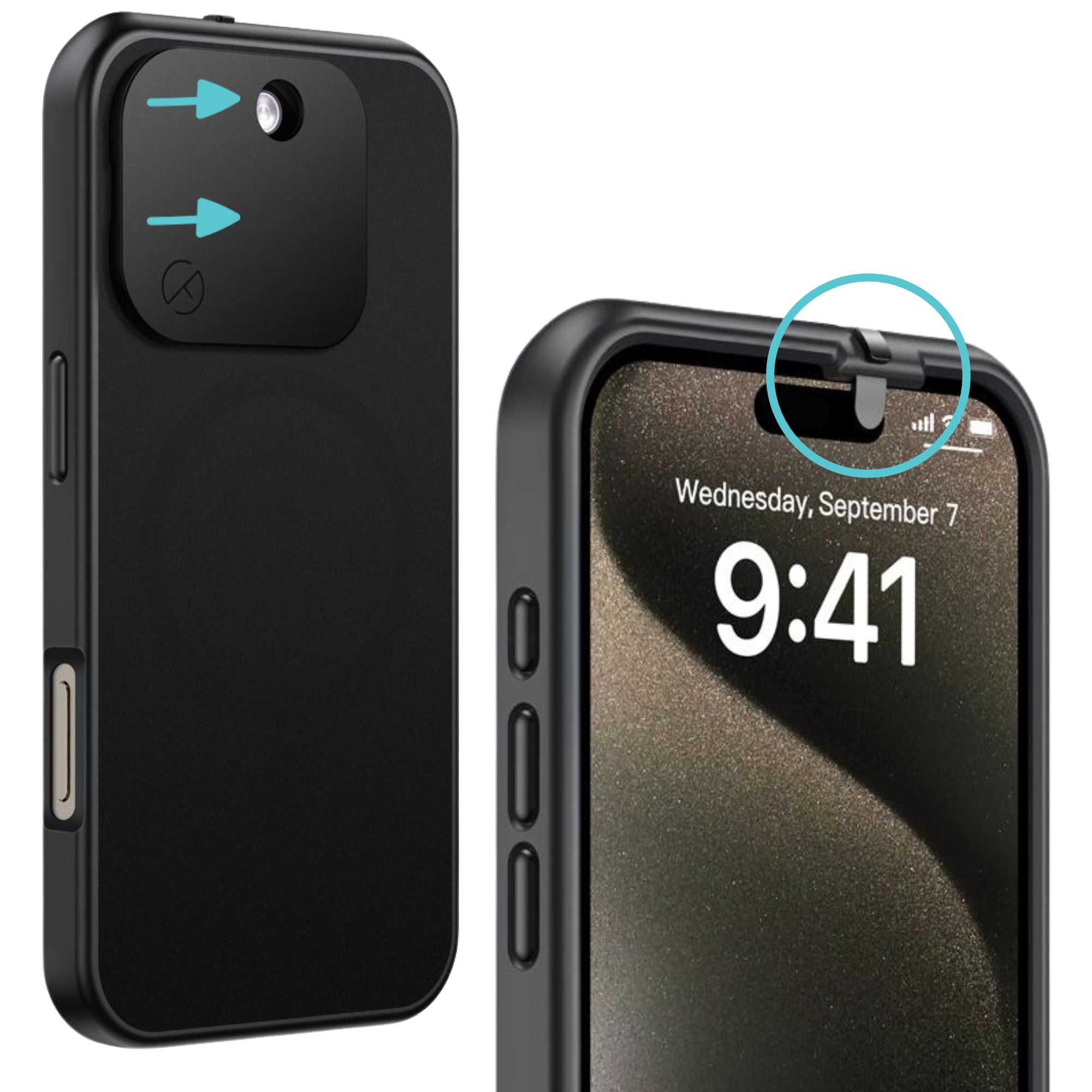
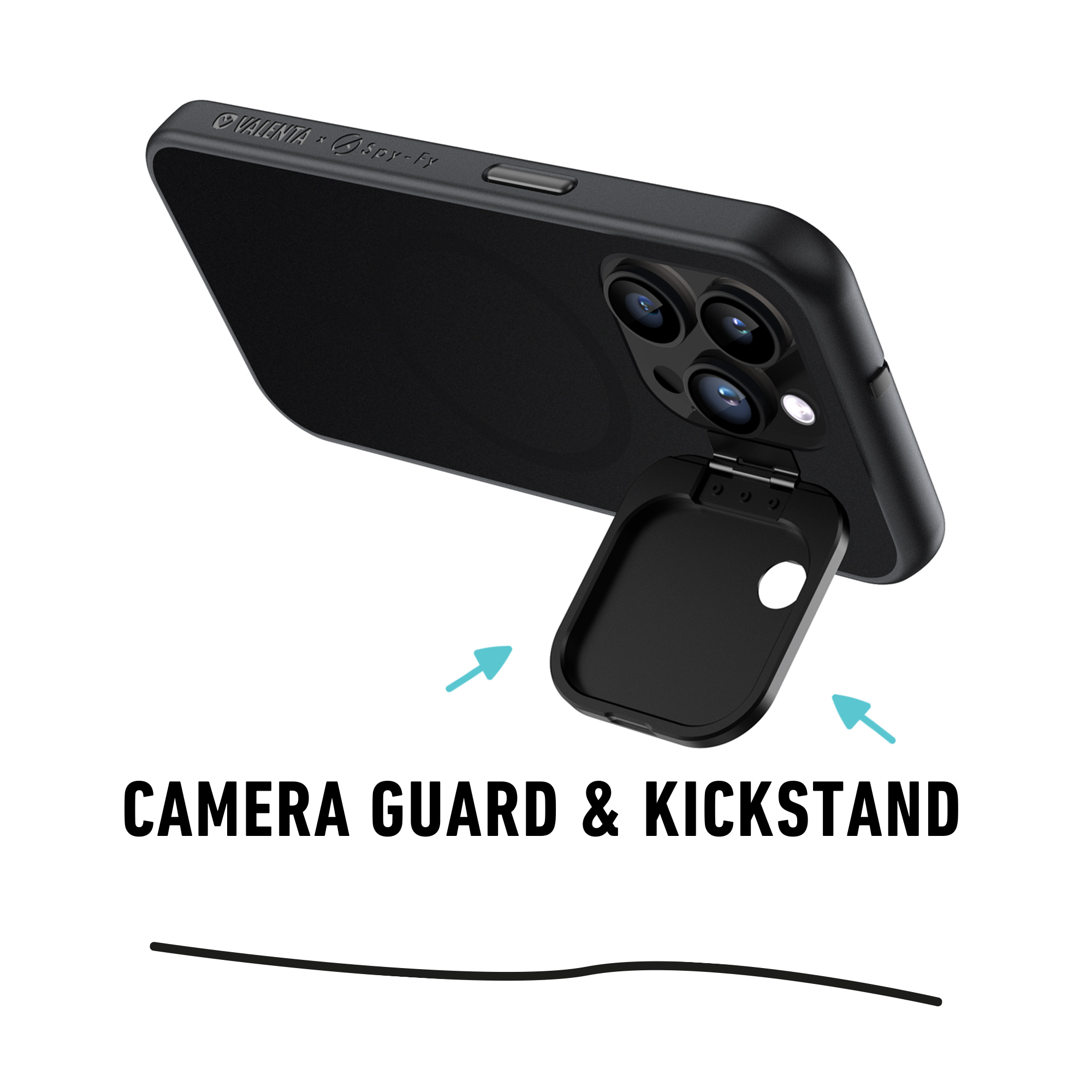
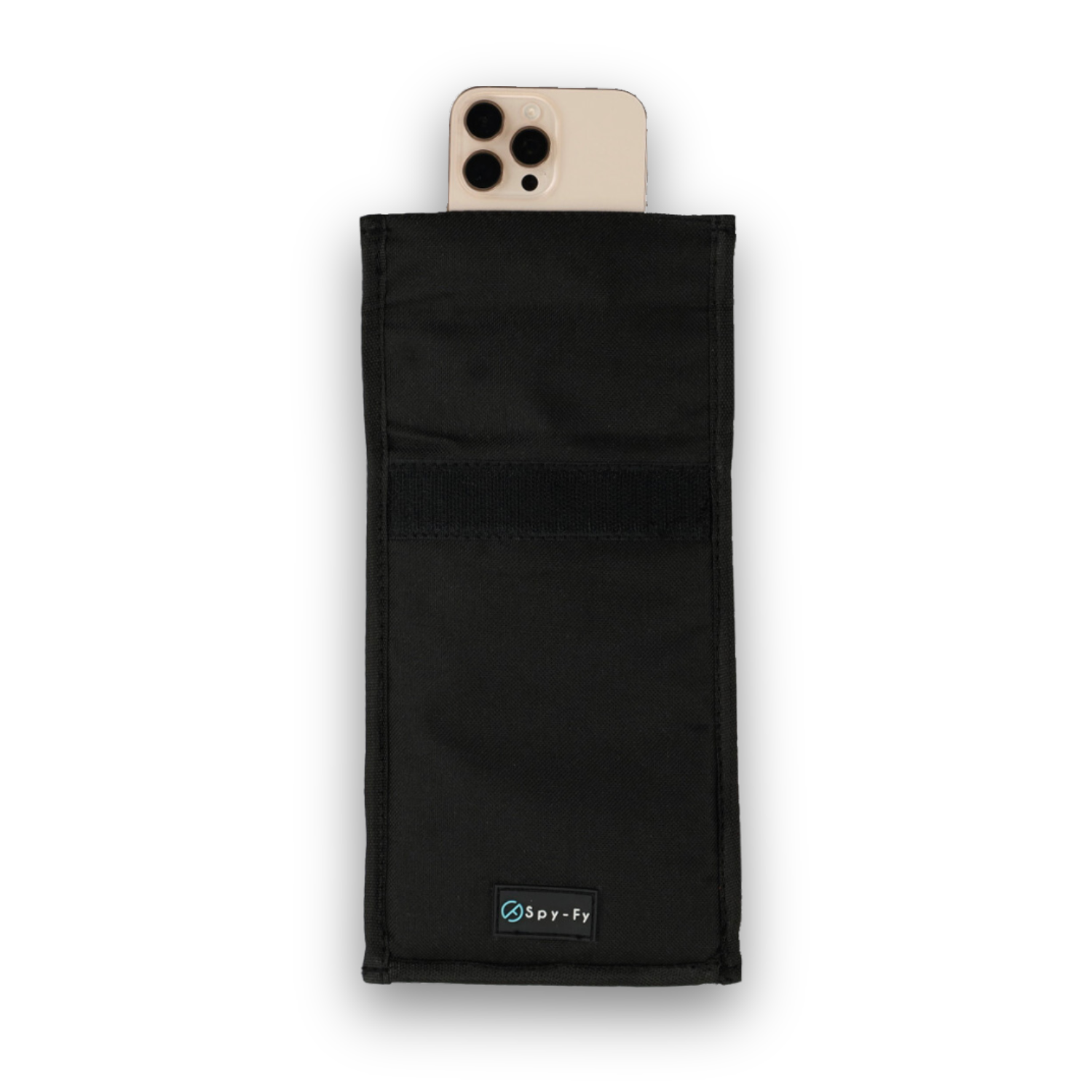
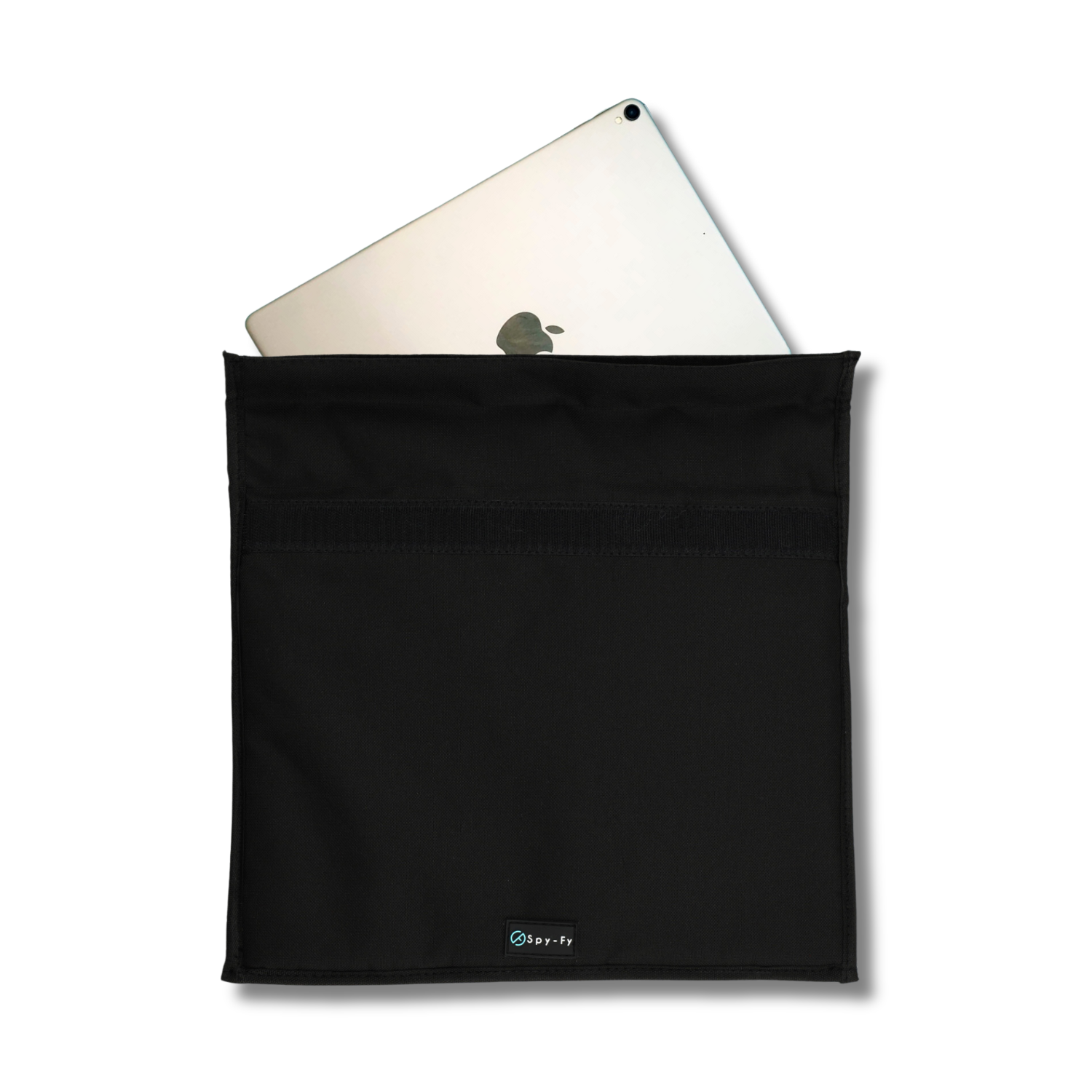
For those looking for reliable signal-blocking protection, Spy-Fy's Faraday Bag for Phones and Laptops is designed to shield devices from unwanted wireless communication while maintaining durability for everyday use.
What Is the Purpose of a Faraday Bag?
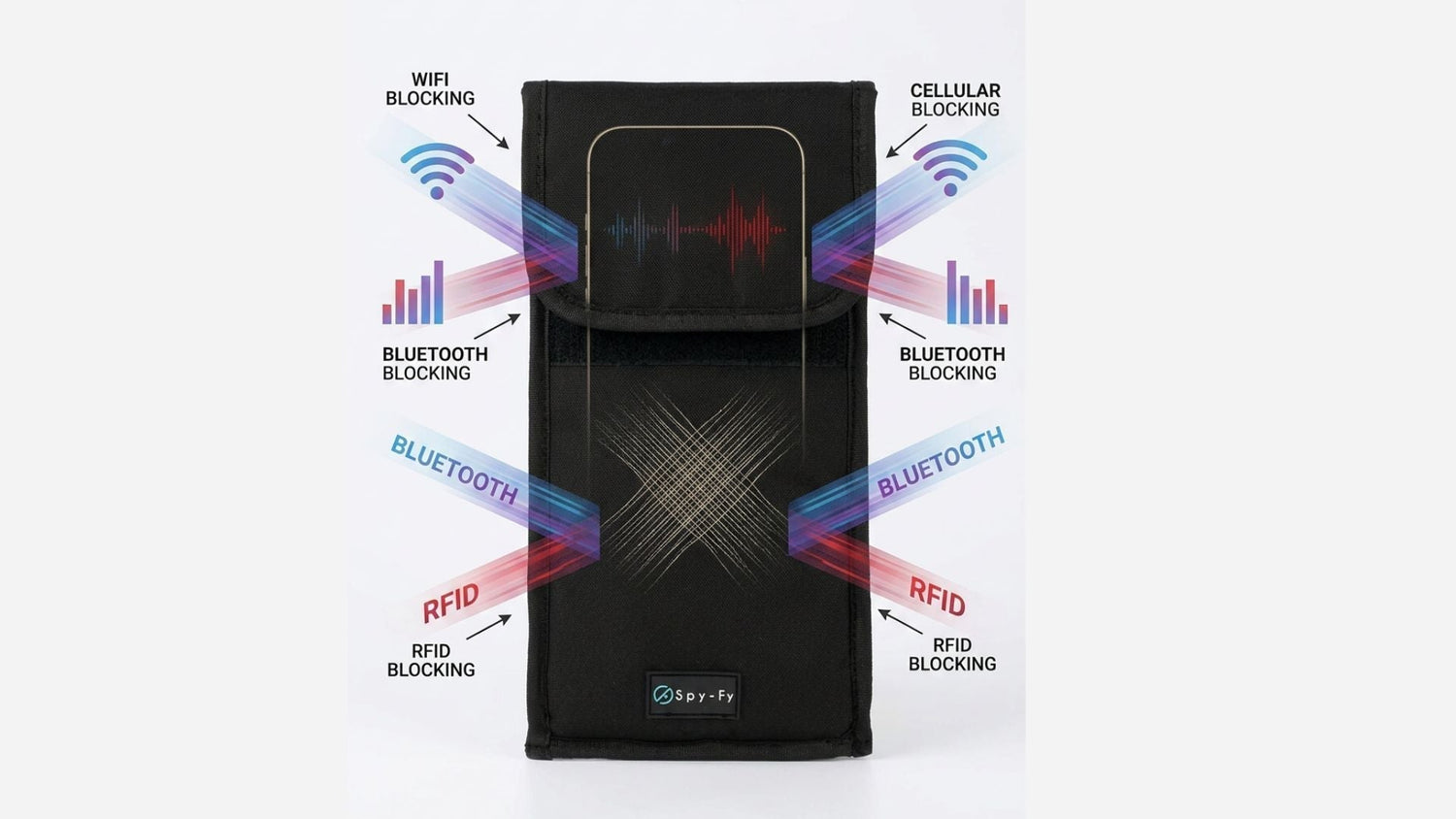
The primary purpose of a Faraday bag is to block electromagnetic signals from entering or leaving a device. When a phone, laptop, key fob, or other electronic device is placed inside the bag, the conductive material creates a protective barrier that prevents communication with external networks.
This means the device cannot:
- Send or receive cellular signals
- Connect to Wi-Fi networks
- Transmit Bluetooth signals
- Be tracked through GPS
- Communicate with RFID or NFC readers
In simple terms, a Faraday bag creates a temporary "digital blackout" for the device inside.
If you'd like a more detailed explanation of the technology behind these products, check out our article on What Is a Faraday Bag?.

How Does a Faraday Bag Work?
Understanding how does a Faraday bag work starts with the concept of a Faraday cage, invented by scientist Michael Faraday in the 19th century.
A Faraday cage uses conductive materials to distribute electromagnetic charges around its exterior surface. Because of this distribution, electromagnetic waves cannot penetrate the protected area inside.
Modern Faraday bags apply the same principle using specialized layers of conductive fabric and shielding materials. Once a device is sealed inside the bag:
- Incoming radio frequency (RF) signals are blocked.
- Outgoing signals cannot escape.
- Wireless communication is completely interrupted.
The effectiveness of a Faraday bag depends on the quality of the shielding materials and the proper closure of the bag.
Why Use a Faraday Bag?
Many people ask why use a Faraday bag when simply turning off a device seems easier. The answer is that powered-off devices and electronic systems can still present vulnerabilities.
Some common reasons to use a Faraday bag include:
Protecting Personal Privacy
Smartphones constantly communicate with nearby towers, Wi-Fi networks, and Bluetooth devices. A Faraday bag prevents this communication, helping protect your location and personal data.
Preventing Vehicle Theft
Modern vehicles often use keyless entry systems. Criminals can exploit these systems through relay attacks that amplify your key fob's signal.
By storing your key fob in a Faraday bag, you can prevent unauthorized signal interception and reduce the risk of theft.
Securing Sensitive Information
Professionals working with confidential data often use Faraday bags to prevent unauthorized access, tracking, or wireless attacks on electronic devices.
Digital Detox and Focus
Some users simply want fewer distractions. Blocking incoming calls, notifications, and internet access can help create focused work sessions or uninterrupted personal time.
What Devices Can Be Protected?
Faraday bags are versatile and can protect a wide range of electronics, including:
- Smartphones
- Tablets
- Laptops
- Smartwatches
- Vehicle key fobs
- GPS trackers
- External hard drives
- RFID-enabled cards and passports
If you're specifically interested in protecting mobile devices, our guide on Faraday Bags for Phones explains the benefits and best practices in more detail.
Do Faraday Bags Really Work?
Yes, high-quality Faraday bags are highly effective when used correctly. Understanding what does a Faraday bag do becomes easier when you test one yourself. Once your device is inside, incoming and outgoing wireless communication stops completely.
Independent testing and security professionals regularly verify that properly designed Faraday bags can block cellular, Wi-Fi, Bluetooth, RFID, and GPS signals. The key is choosing a product that uses certified shielding materials and ensuring the bag is fully sealed during use.
For maximum protection, many users choose specialized solutions such as Spy-Fy's Faraday Bag for Phones and Laptops, which is specifically designed to block a broad range of wireless frequencies while remaining practical for everyday carry.
Common Misconceptions About Faraday Bags
They Only Protect Phones
While smartphones are the most common use case, Faraday bags can shield many types of electronic devices from wireless communication.
They Damage Electronics
A Faraday bag simply blocks signals. It does not interfere with the device's hardware or software.
They Are Only for Security Professionals
Although law enforcement and cybersecurity professionals use Faraday bags, they are increasingly popular among everyday users concerned about privacy and security.
Are Faraday Bags Worth It?
For anyone concerned about digital privacy, electronic theft, or unauthorized tracking, a Faraday bag can be a valuable investment.
The ability to instantly block wireless communication provides peace of mind and an extra layer of protection against evolving digital threats. Whether you're securing a smartphone, laptop, or vehicle key fob, a quality Faraday bag offers a simple and effective solution.
Final Thoughts
So, what does a Faraday bag do? It blocks wireless signals from reaching your device and prevents your device from transmitting signals to the outside world. This helps protect privacy, improve security, and reduce exposure to tracking technologies.
As wireless technology becomes increasingly integrated into everyday life, Faraday bags provide a practical way to take control of your digital footprint and protect your valuable electronics when privacy matters most.