If you typed "is the FBI watching me" into a search bar at 2 a.m., the honest answer is almost certainly no. Federal surveillance is expensive, legally constrained, and reserved for people connected to active investigations. For most Americans, the realistic privacy threats are quieter and more common: stalkerware installed by an ex-partner, data brokers selling location history, ad networks cross-referencing devices, and malware that hijacks a camera without the user's permission.
This article is written for journalists protecting source confidentiality, attorneys handling federal cases, activists organizing around sensitive issues, dual citizens with family in scrutinized countries, and ordinary professionals who want a clear-eyed answer instead of paranoia. If you fit one of those groups, you need a structured defense plan. If you do not, you still deserve privacy from the dozens of commercial actors quietly profiling you every day.
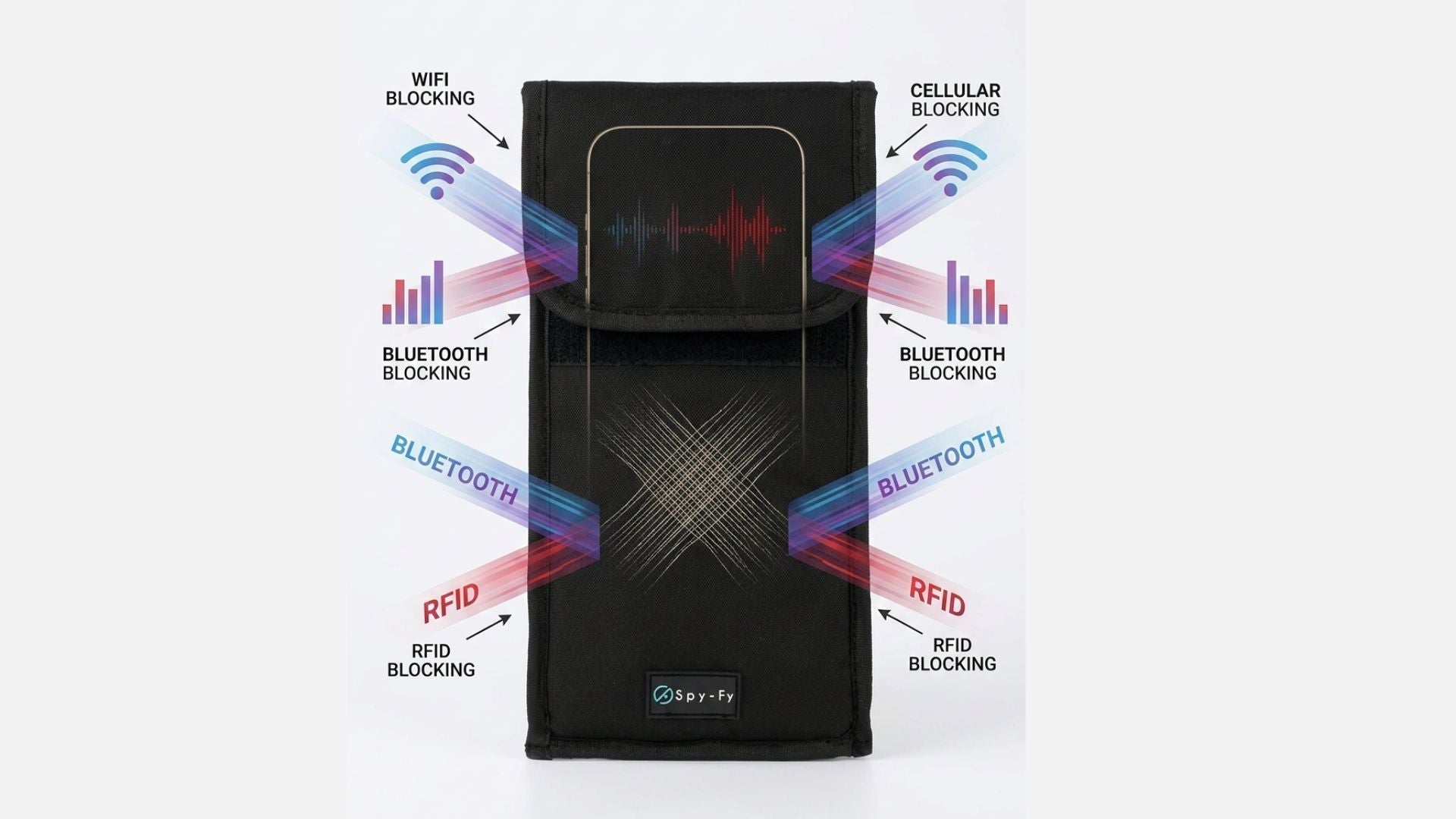
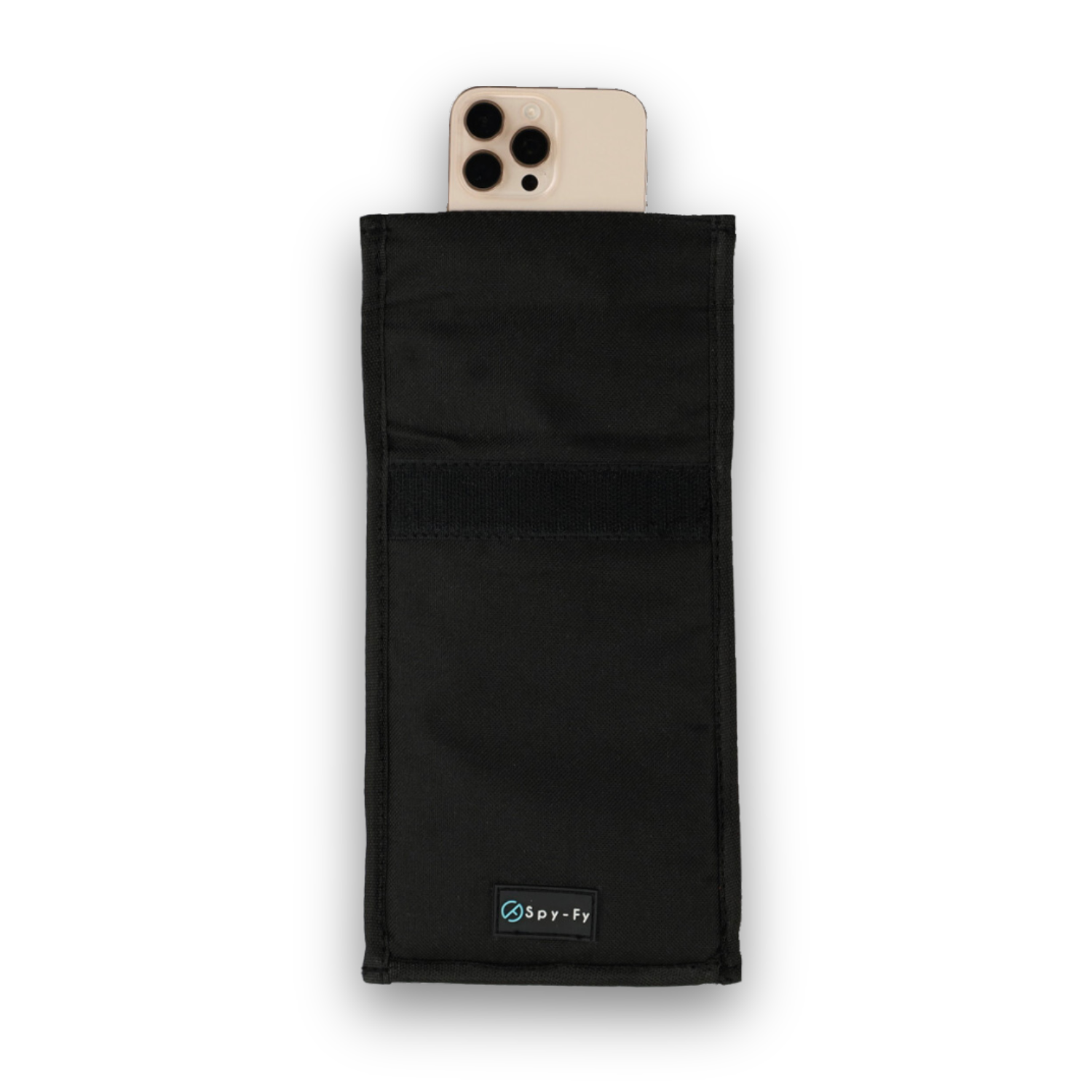
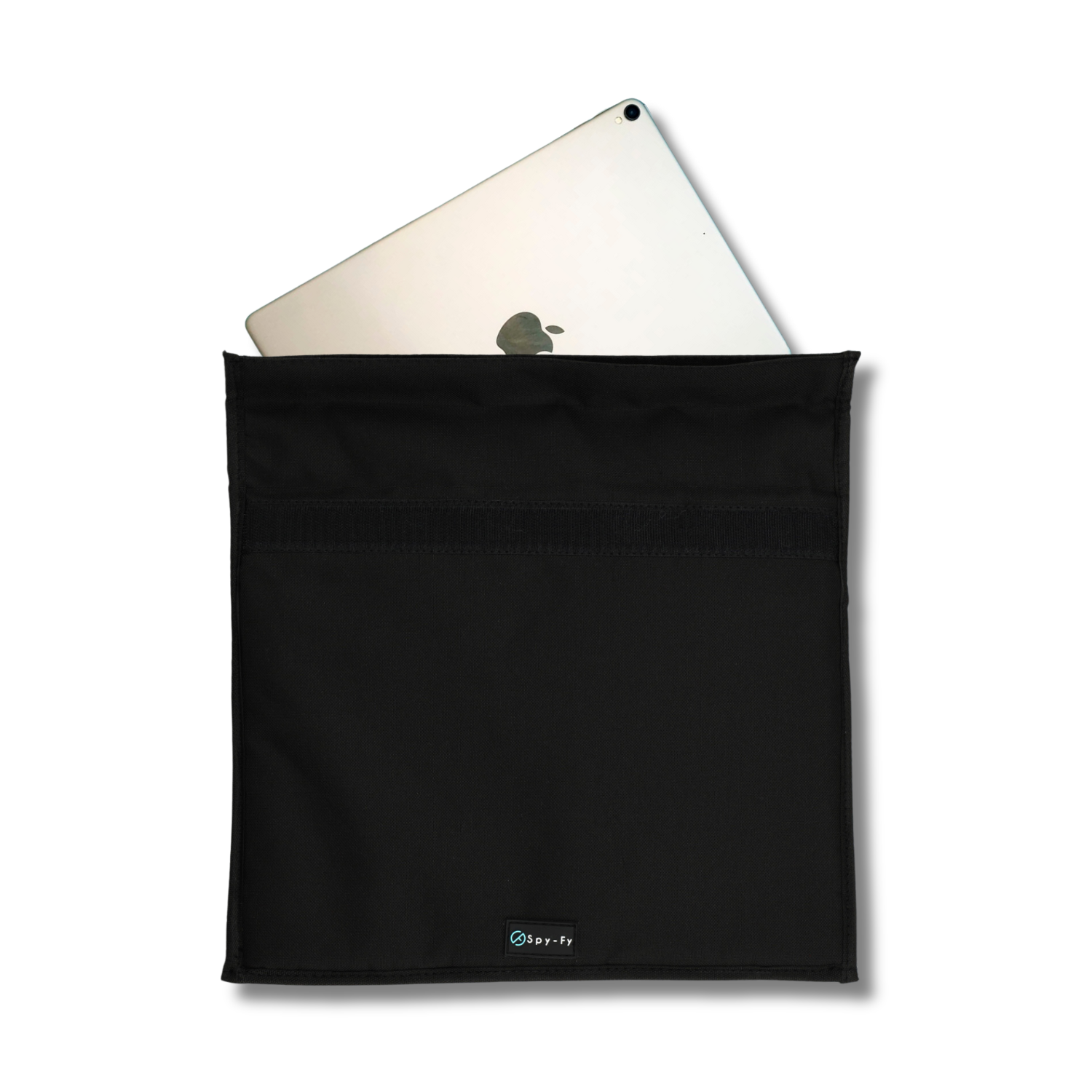
Below is a direct answer to the federal surveillance question, followed by the threats you can actually do something about. The physical layer is where software defenses end, which is why the Spy-Fy privacy case collection exists to cover what app permissions cannot.
The honest answer: is the FBI watching you?
The FBI opens investigations based on specific predicates: a tip, a financial trail, a connection to a known subject, foreign intelligence concerns, or activity flagged by another agency. The Bureau does not have unlimited surveillance capacity. Public FISA Court annual reports show federal surveillance orders running in the low thousands per year, with traditional Title III wiretaps under a few thousand annually. There are roughly 335 million people in the United States.
If you have not been contacted by a federal agent, received a grand jury subpoena, noticed unusual financial holds, or had a friend or family member questioned about you, the probability that an active FBI case targets you is statistically near zero. The feeling that the FBI is watching you right now, in your living room, through your phone, is almost always the brain pattern-matching ordinary tech glitches (a hot battery, a flickering camera light, a dropped call) to a dramatic explanation.
Who actually faces realistic federal surveillance risk
- People under active criminal investigation, usually after a triggering event like a subpoena or interview request
- Journalists communicating with government whistleblowers or foreign sources
- Activists organizing protests that intersect with federal property or named groups
- Attorneys representing clients in federal cases involving national security
- Dual citizens or immigrants with ties to countries flagged for counterintelligence interest
- People whose communications incidentally cross paths with a foreign intelligence target under FISA Section 702 collection
If none of these describe you, the FBI is not the threat worth planning around. The Electronic Frontier Foundation and ACLU have both published guides on the legal limits of federal surveillance, and both emphasize the same point: targeted surveillance is rare, while metadata collection is broad but shallow. For the legal background on what U.S. agencies are authorized to do, our deeper breakdown of U.S. surveillance and privacy laws walks through FISA, the Patriot Act successor statutes, and what citizens can and cannot be told.
What FBI surveillance actually looks like (and does not)
Federal surveillance authorities fall into a few buckets, and none of them match the Hollywood image of an agent watching you through a laptop camera in real time.
FISA orders and Section 702
The Foreign Intelligence Surveillance Act allows electronic surveillance of foreign powers and their agents. Section 702 permits warrantless collection of communications from non-U.S. persons abroad, which can incidentally sweep up American communications when one party is overseas. This is bulk-flavored, not targeted at random citizens.
Title III wiretaps
For criminal investigations, the FBI must obtain a Title III wiretap order from a federal judge, demonstrating probable cause and showing that other investigative methods were tried first. These are paperwork-intensive and limited in duration.
National Security Letters and geofence warrants
NSLs compel third parties such as banks, ISPs, and telecoms to hand over metadata without a judge's order. Geofence warrants ask Google or Apple to identify every device present at a location during a time window. Both have been used controversially in recent years. Neither involves an agent watching your camera feed.
What the FBI does not routinely do
- Watch random citizens through phone or webcam cameras as a fishing exercise
- Read every text message sent in the United States
- Park unmarked vans outside ordinary homes for weeks at a time
- Trigger the green camera dot on your iPhone (that indicator means an app on your device is using the camera, which is explained in our piece on what the iPhone camera dot really tells you)
The threats that actually affect you
While most people worry about three-letter agencies, the realistic privacy threats are quieter and far more common. These are the ones worth planning around, and the ones a serious defense stack should be built to stop.
Stalkerware installed by someone close to you
Commercial spyware apps like mSpy, FlexiSpy, and Cocospy are routinely installed by abusive partners, controlling parents, or suspicious employers. They run hidden, log keystrokes, harvest messages, and can activate cameras and microphones. Kaspersky researchers identify stalkerware on tens of thousands of consumer devices each year, a number that security analysts widely consider an undercount because most victims never discover the app. The Coalition Against Stalkerware maintains a victim resource directory if you suspect this.
Data brokers and ad-tech profiling
Companies like Acxiom, LiveRamp, and Oracle Data Cloud build detailed dossiers on hundreds of millions of Americans, combining purchase history, location data, health inferences, and political leanings. Under CCPA in California and similar laws in other states, you can request deletion, but the default is collection.
Malware-driven camera and microphone hijacking
Remote Access Trojans and zero-click exploit chains like Pegasus have repeatedly demonstrated that camera and microphone access can be obtained without user awareness. This is the threat that prompted Mark Zuckerberg to tape his laptop camera and former FBI Director James Comey to publicly admit he covers his too. A single targeted text message can be enough, as covered in our breakdown of whether someone can hack your iPhone through a text message.
Public Wi-Fi and juice-jacking
Airports, hotels, and conference centers are routine sites for traffic interception and malicious USB charging ports. FBI field offices have issued public advisories on charging station risks, recommending travelers carry their own cable and adapter or a data blocker.
The physical layer: what software defenses cannot do
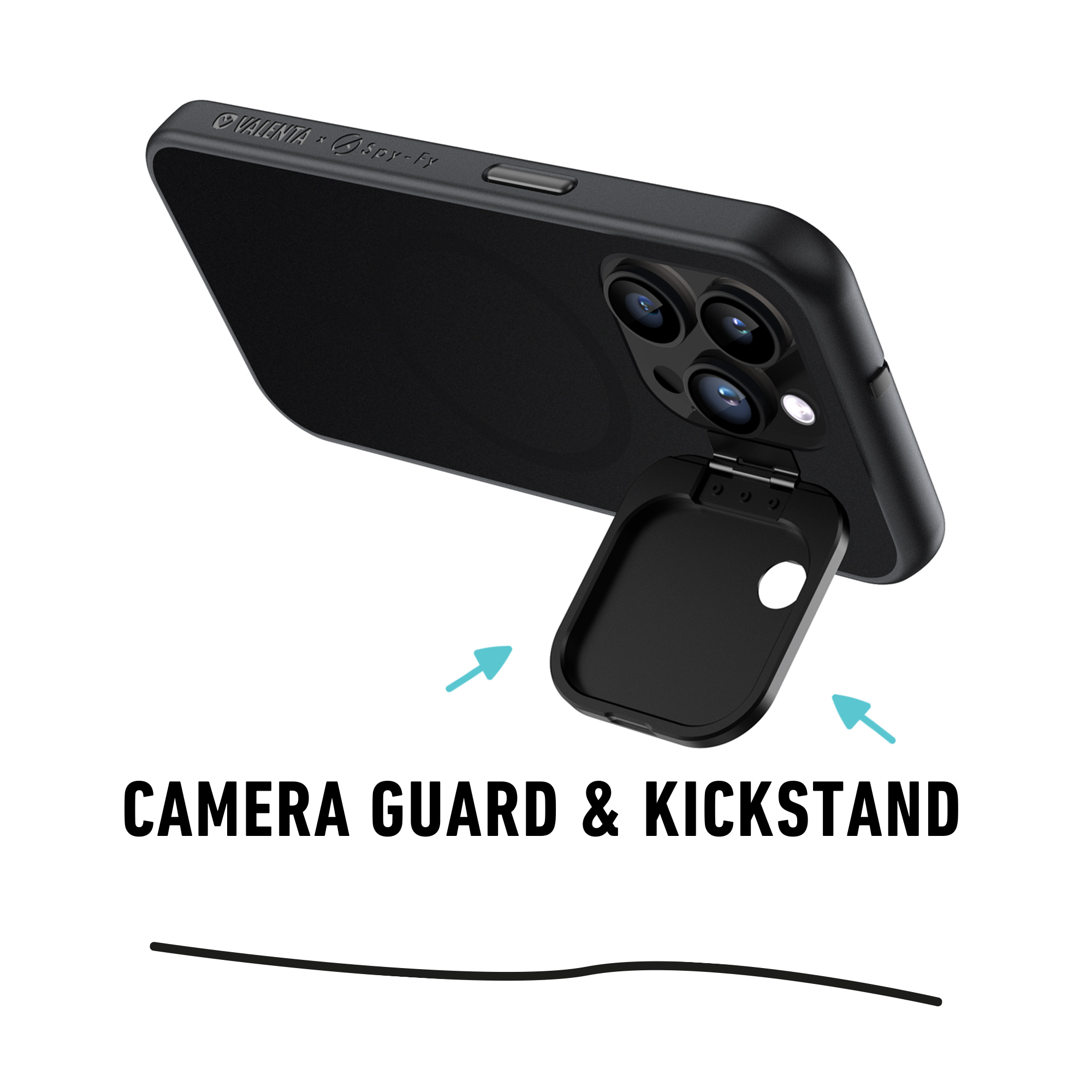
Antivirus, VPNs, and permission audits matter, but they share a weakness: they assume the operating system is trustworthy. A camera cover does not. A piece of plastic over a lens cannot be bypassed by a zero-day, a rogue app, or a malicious configuration profile. It either covers the lens or it does not.
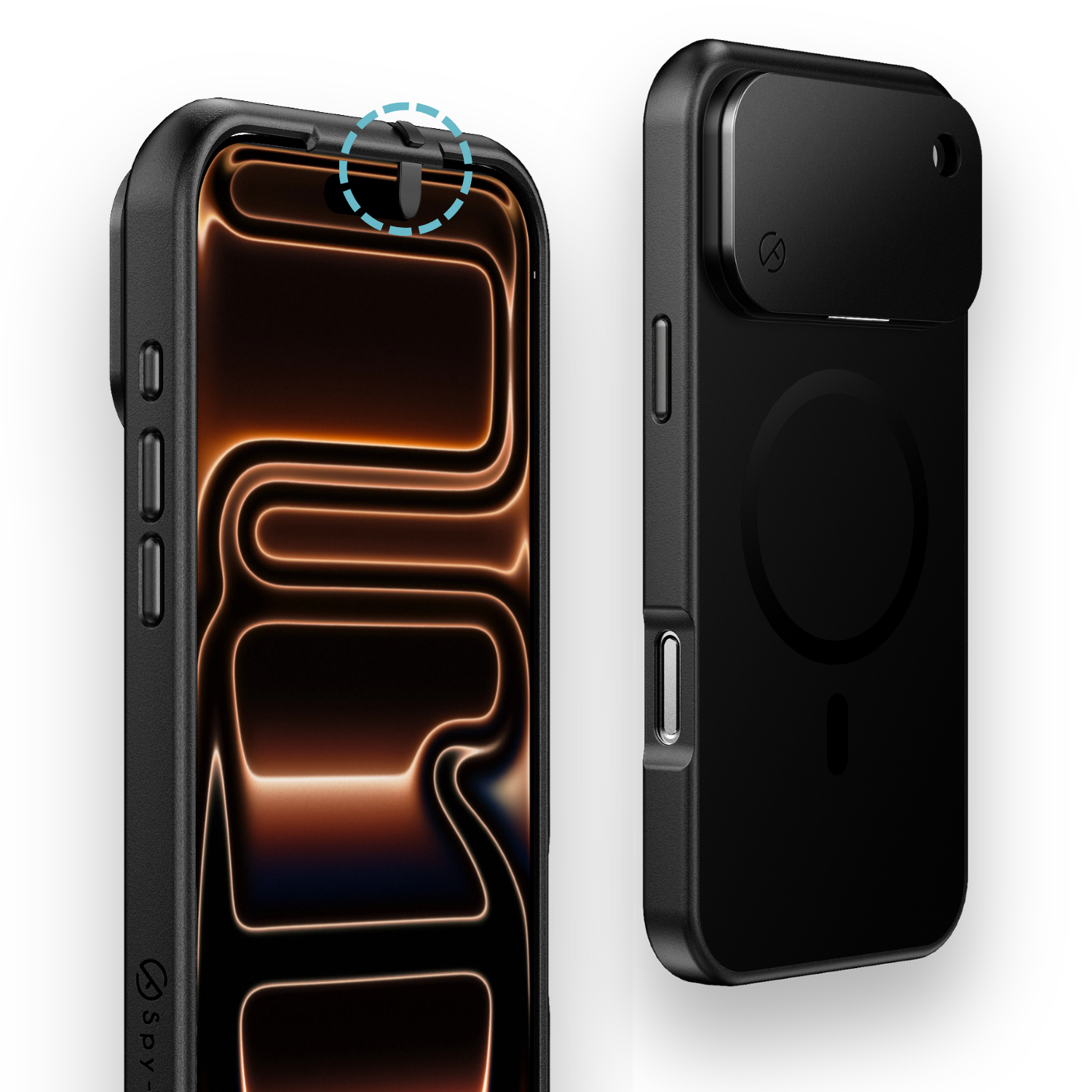
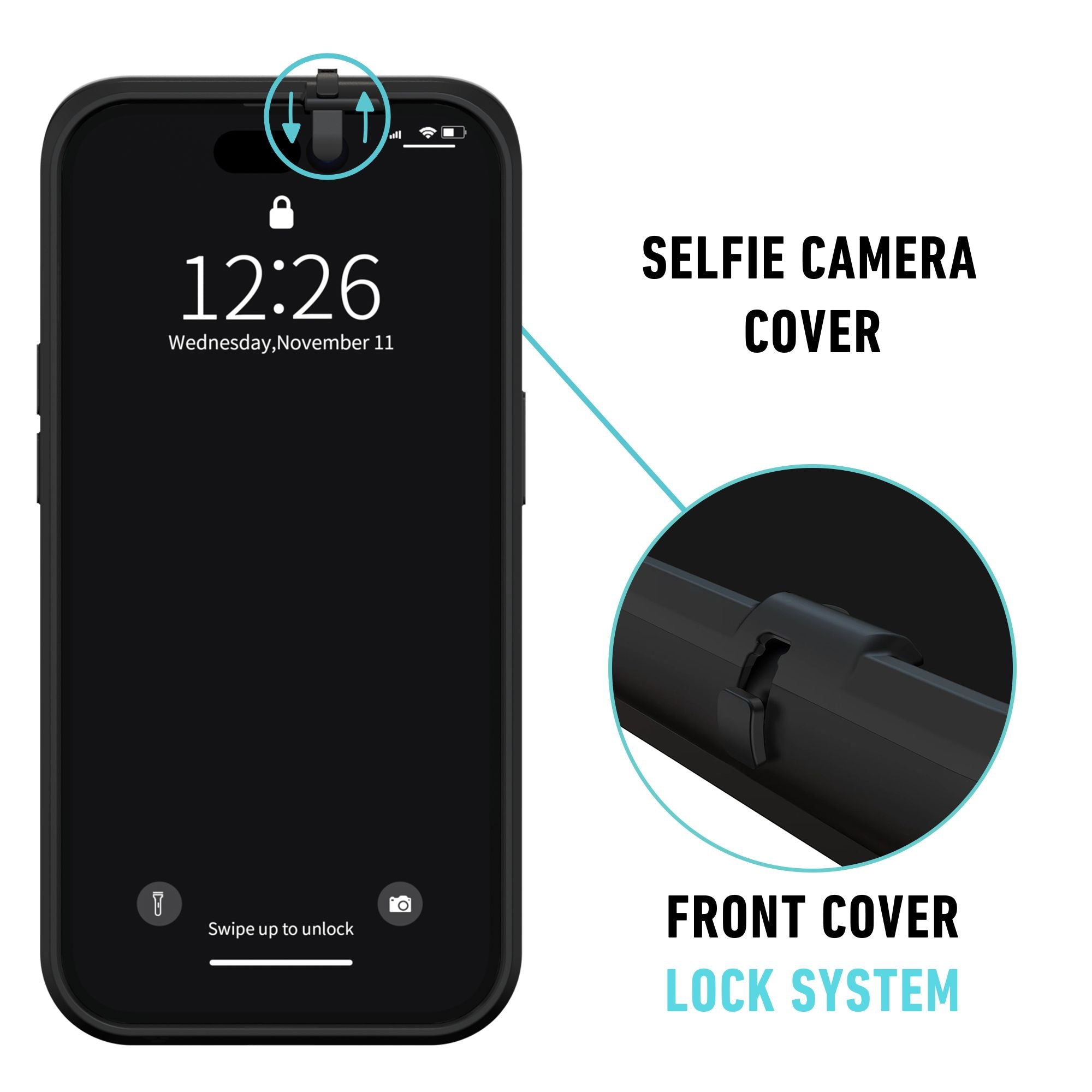
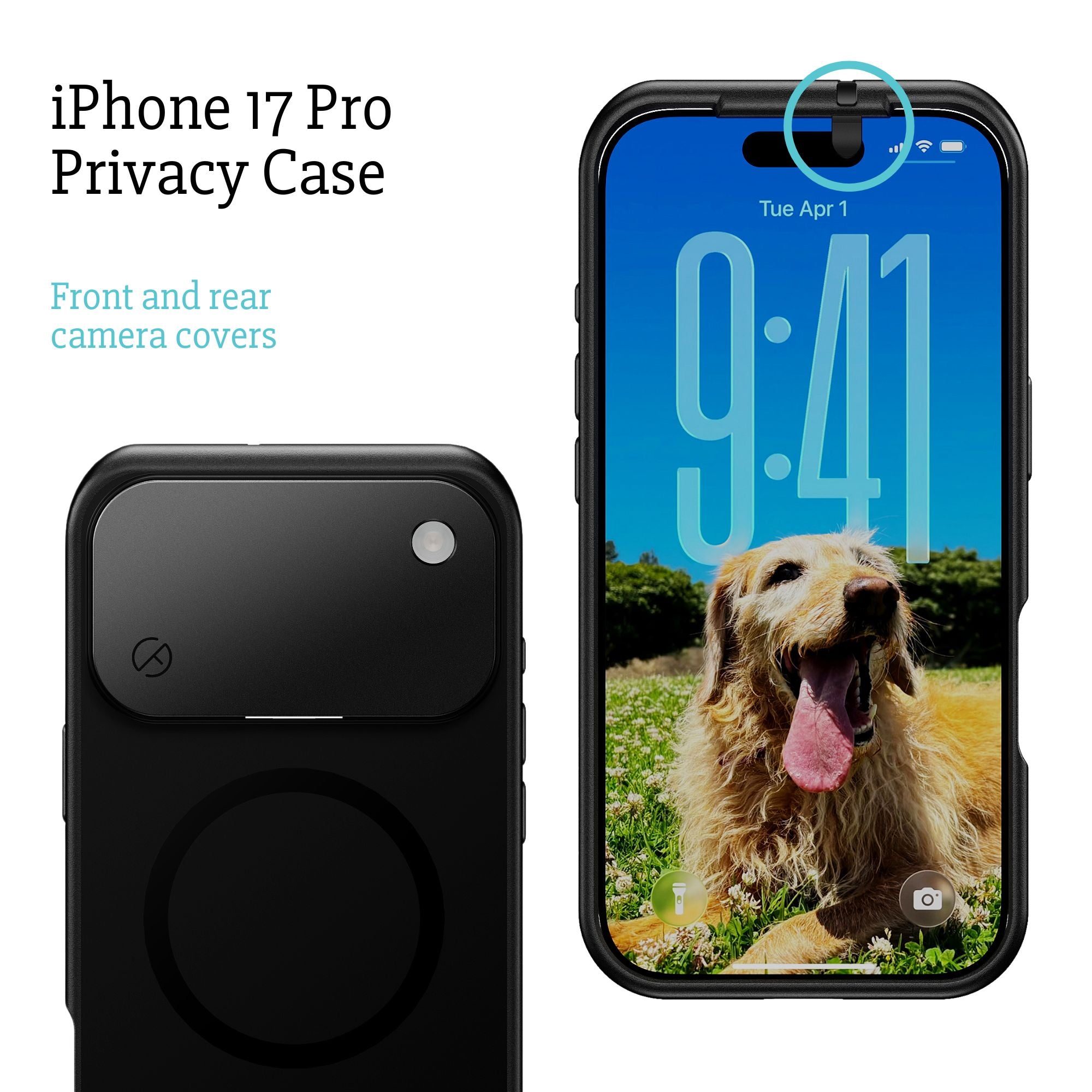
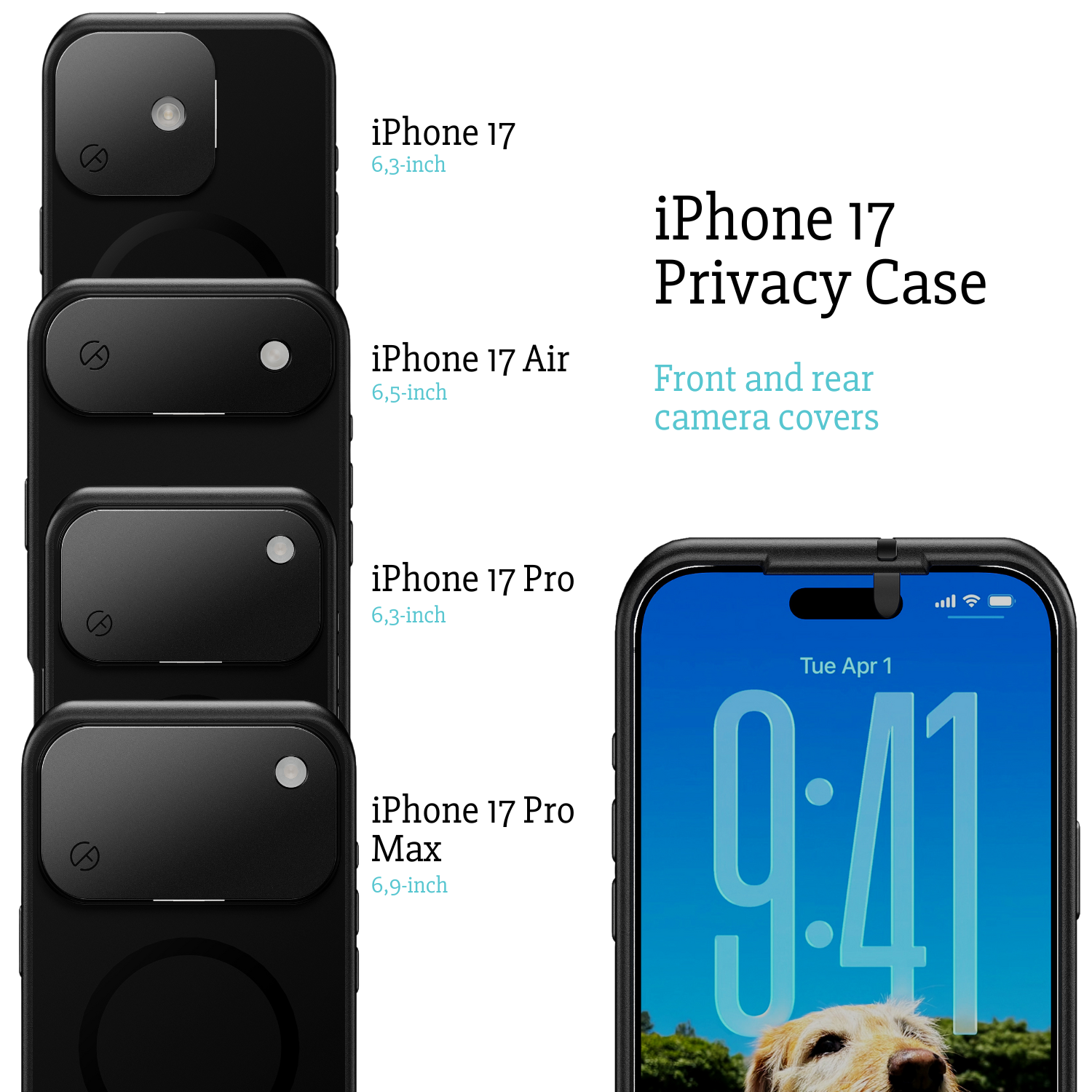
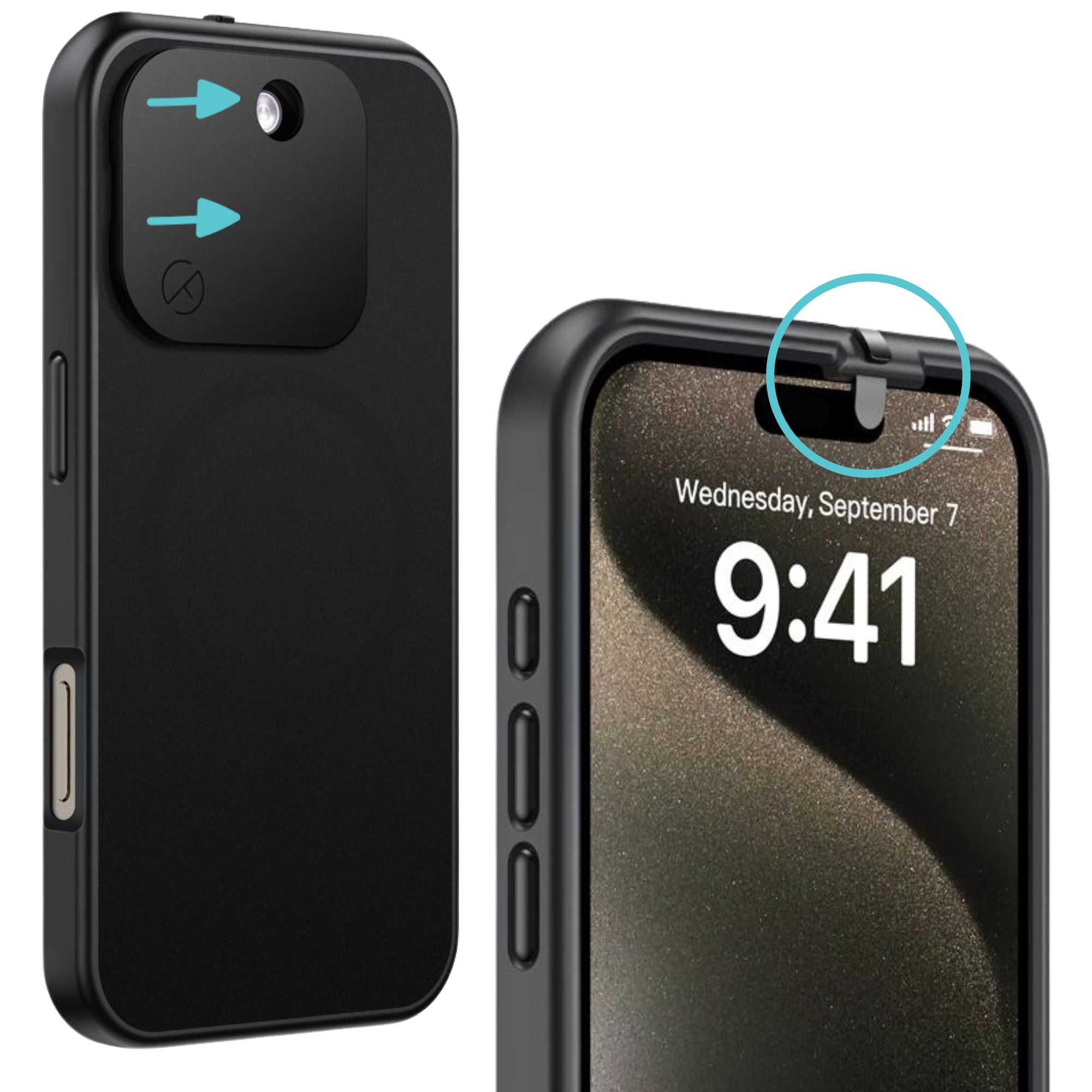
That is why physical privacy products sit at the bottom of any serious threat model. For iPhone users, the iPhone 17 privacy case with built-in front and rear camera covers blocks both lenses when not in use, and Face ID still works the moment you slide the front cover open. Owners of earlier devices have the same option with the iPhone 16 privacy case, which uses the same sliding front and flip rear design.
A practical defense stack for ordinary people
- Physical camera covers on every device with a lens (phone, laptop, tablet, smart TV)
- A password manager and unique passwords on every account
- Two-factor authentication with an authenticator app, not SMS
- OS-level permission audits every few months: which apps have camera, microphone, location?
- A reputable VPN on untrusted networks
- Data broker opt-outs, either manually or through a removal service
If you genuinely believe you are under surveillance
For the small group of people whose work or personal situation puts them in a realistic surveillance threat model, paranoia is not a strategy but precaution is. Steps that matter:
- File a FOIPA request with the FBI to ask whether they hold records on you. The Bureau is legally required to respond, though they can refuse to confirm or deny in sensitive cases (a Glomar response).
- Use end-to-end encrypted messaging like Signal for sensitive conversations.
- Cover cameras and microphones when not in use on every device you own.
- Consult an attorney before assuming you are a target. Most people who think they are, are not. Most people who are find out through legal process before they find out through tradecraft.
The takeaway
The honest answer to "is the FBI watching me" is no, with rare exceptions that you would almost certainly learn about through other channels first. The CIA is not either, and neither is the NSA in any individualized sense. What is watching you, every day, is the commercial surveillance economy: ad networks, data brokers, stalkerware vendors, and the occasional piece of malware that slipped past your phone's defenses.
The good news is that the defenses against those real threats also work against the rare government one. Cover your cameras, audit your permissions, encrypt your messages, and treat physical hardware as the layer software cannot compromise. Explore the full range of Spy-Fy privacy cases engineered for iPhone 12 through iPhone 17 Pro Max, each with sliding front and rear camera covers built to outlast software trends.